
Perfume, like faith and poetry, does not know borders. From India, the fragrance of flowers and spices traveled on the monsoon winds, carried by merchant ships and caravans. In its wake, it sowed the seeds of civilizations across Southeast Asia, where kingdoms embraced India’s gods, rites, and perfumes as if they had always belonged to them.
Legend tells us that distillation itself was revealed to an Indian princess, Nūr Jahān, whose name means “Light of the World.” On the morning of her wedding to Emperor Akbar, she saw delicate vapors rise from the surface of a rosewater fountain. Fascinated, she captured them and understood the secret of distillation. From this revelation, the art of attar reached new refinement, and perfumes became jewels of Mughal courts.
Akbar, the great emperor, adored perfumes with such passion that his audience halls forever breathed of amber, agarwood, rose, and jasmine. Scented fountains whispered in his gardens, incense burned in golden braziers, and perfumed smoke enveloped his guests like a celestial embrace. In this atmosphere, perfumery became not only pleasure but also royal science, a craft elevated to the level of painting, music, and poetry.
From the first centuries of our era, Indian merchants sailed the South Seas in search of cinnamon, clove, pepper, and resins. They brought with them not only perfumes and spices but also gods, myths, and art. They founded trading posts along the Gulf of Siam, in the Mekong Delta, in Sumatra and Java. The native peoples, enchanted by this refined civilization, absorbed it without resistance. Temples rose where Shiva and Vishnu joined local spirits, and Indian perfumed rites blended with Southeast Asia’s forests and rivers.
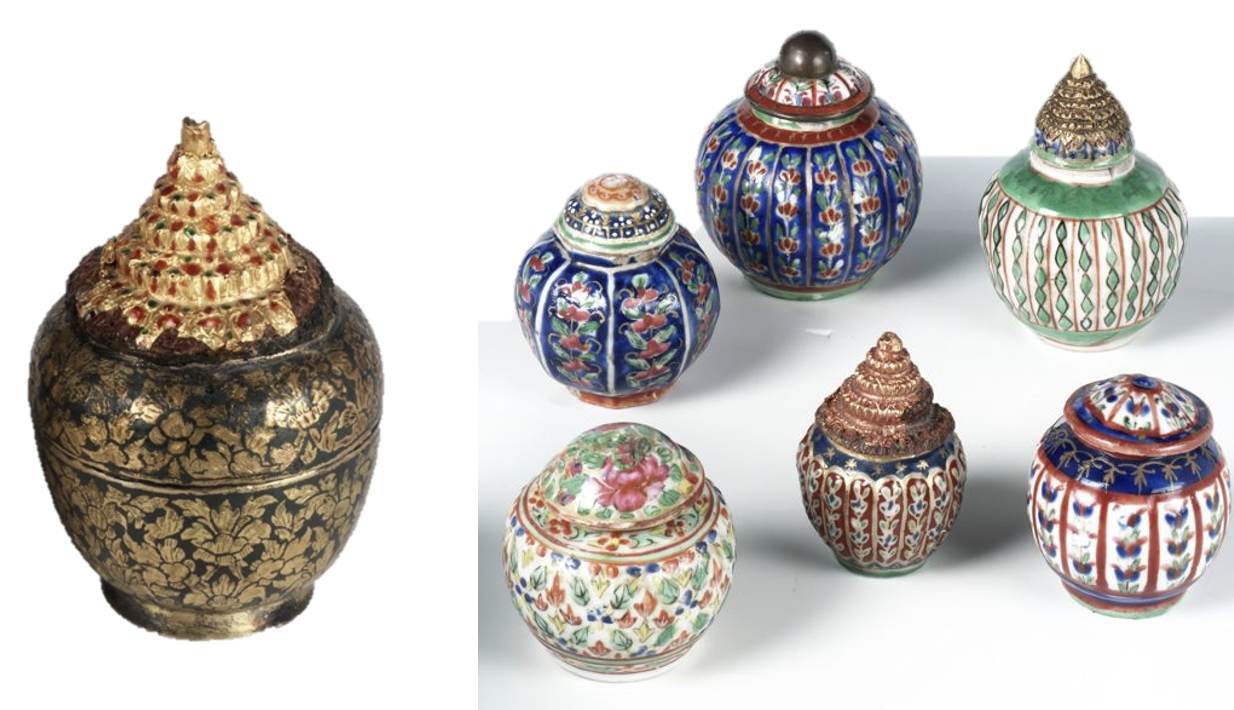
In Oc-Eo, in present-day Vietnam, archaeologists uncovered jewels, statues, and perfumes from Rome, India, and China, proving this city of Fou-Nan was a crossroads of the world. From there, Indian influence reached Tchen-La, cradle of the Khmers, who would later raise Angkor as the crown of their civilization.
At Angkor, perfume took on a monumental scale. The temples were perfumed with garlands, incense, and scented waters offered to the gods. Dancers, adorned with jasmine, betel, and wax candles, swayed like incarnations of Shiva. Their hair, crowned with golden caps, exhaled oils of flowers and herbs. Their long gilded nails extended their gestures like blossoms unfolding in the night. Before each performance, they bathed in sacred scented waters, blessed by priests, so that their movements would become offerings themselves.
Perfume was also protection. In Cambodia, warriors received talismanic tunics inscribed with magic formulas, anointed with perfumes during solemn rites. Sprinkled with rosewater and incense, the fabric became a second skin of invulnerability. In battle, the scent of sanctity mingled with the roar of steel.
Everywhere, incense burned in temples, mingling with prayers. Scented water was poured over statues of Buddha, golden petals covered his effigy, while monks sprinkled the faithful as a sign of purification and blessing. The Mekong became not only a river of life but a perfumed royal road.
Even Marco Polo, arriving in the 13th century, was dazzled by the splendor of Khmer civilization. He described cities enveloped in incense, courts perfumed with oils, and women covered in flowers whose beauty seemed beyond human. In their dances, through smoke and fragrance, they appeared as celestial beings descended to earth.
Thus, from India to Java, from the Mekong to Angkor, perfume remained the invisible ambassador of civilization. It was the essence that carried gods, myths, and beauty across oceans, weaving Asia into a single perfumed tapestry.
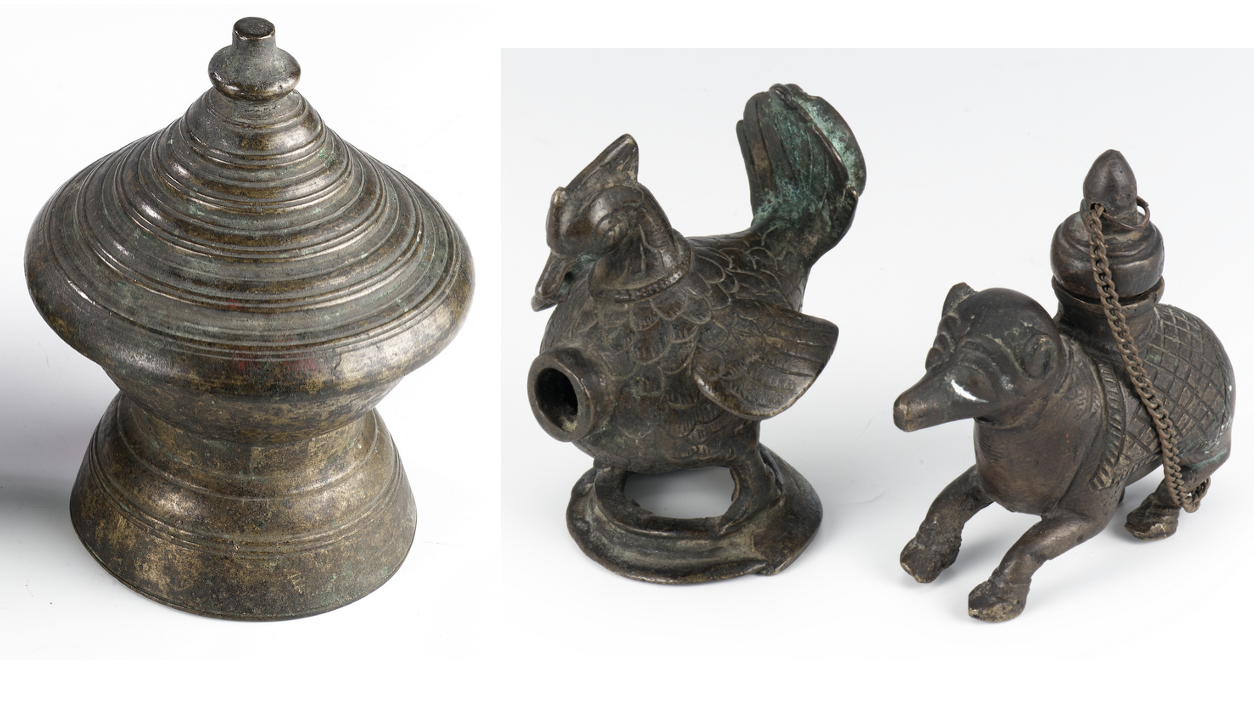
Excerpt of « World Perfume Heritage » by Creezy Courtoy. The book will be released on Amazon in November.