Poinsettias and Christmas

Poinsettias and Christmas
A Symbol of Life and New Beginnings for Each Year

The origins and history of Poinsettias ( Euphorbia pulcherrima) take us to the Aztec
Civilization, where this flower was called cuetlax ōchitl, meaning « flower that grows in residues or soil”. This plant only grew in Winter from the lower altitudes in Mexico, in what is now Taxco, Cuernavaca.  As with the higher altitudes of what is now Mexico City, previously called Tenochtitlan, it was not possible to grow this plant, and just got imported in that time from these low altitude areas.

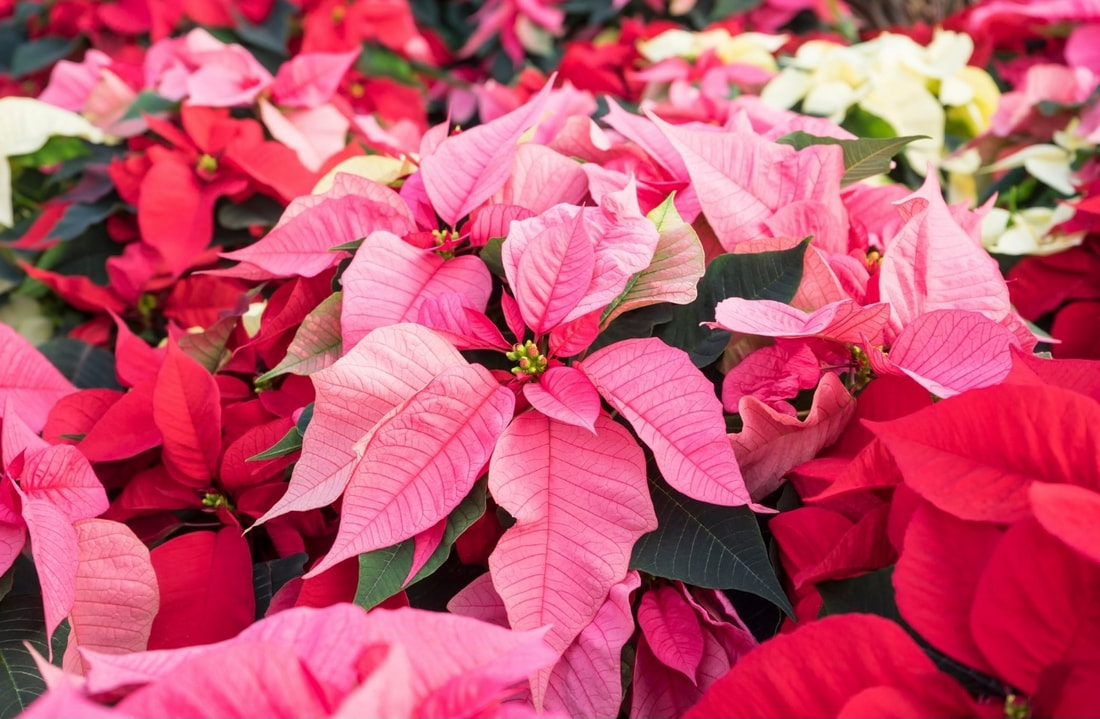
These flowers were used by the Aztecs in ceremonial sites and temples. As the Spaniards were trying to vanish any pagan rituals and beliefs from the Aztecs, they used the Poinsettias or cuetlaxõchitl flowers for the Celebration of Christmas. The Spaniards took the poinsettias as a symbol to get rid of the original pagan traditions of the Aztecs and replace them with friars of the Franciscan Christian religious order in Mexico included the plants in their Christmas celebrations.  The star-shaped leaf pattern is said to symbolize the Star of Bethlehem, the red colour represents the blood shed during the sacrifice of Jesus’ crucifixion, and the white leaves represent the purity of Jesus.

Today, Poinsettia (Euphorbia pulcherrima) is known in Mexico and Guatemala as
“flor de nochebuena” or simply “nochebuena”, meaning « Christmas Eve flower”. In other countries, like Spain, this plant is called “flor de pascua ”, meaning “Pascal flower” (Spanish people say “Pascua” to Christmas and “Pascua de Resurreción” to Passover or Easter). In Chile and Peru, this plant is known as “The Crown of the Andes”.

Poinsettia is a commercially important flowering plant species of the diverse spurge family Euphorbiaceae. Indigenous to Mexico and Central America, the poinsettia was first described by Europeans in 1834. It is particularly well known for its red and green foliage and is widely used in Christmas floral displays. The flower was originally called either “Mexican flame flower” or “painted leaf” by people in United States, then, in 1836, the plant was named taxonomy after Joel Roberts Poinsett, the first United States minister to Mexico, who also was a botanist, spoke many languages and was credited with introducing the plant to the USA in the 1820s.

Poinsettia

From that time and during the 20th century, production and propagation methods have
improved, but cutting large stems short and focusing on growing coloured leaves wider.
More than 100 cultivars have been produced in Mexico, US and Europe including white, cream, yellow, peach, pink, purple, and marbled. Red poinsettias still account for more than 70% of sales.
This plant brings all the leafy flower and colour only in Winter as a good promise to open a New Year.  Nowadays, this potted plant is one of the most produced and sold in the world adding meaning to various traditions.

Aztec people used the plant to produce red dye and as an antipyretic medication (reduction of fever) used in Aztec traditional medicine. Nevertheless, it does depend on the Euphorbia species and the treatment, as it has been documented that the latex from the Euphorbia pulcherrima can cause Asthma.
Some species of Euphorbia have been used in folk medicine over the centuries, especially in the Euphorbia esula alliance. Latex of E. cooperi and E. ingens has been used locally in Africa to stun fish; grass soaked in latex is thrown into a pond and the fish then rise to the surface. Candelilla wax is obtained from E. Antisyphilitica and used as a food additive, glazing agent, and component of lip balm.
The milky sap or latex of spurges is suggested to have a protective and defensive role in helping heal wounds and in deterring potential plant-eaters. There is a wide variety of chemical compounds present in Euphorbia sap, and some of them are toxic and potentially carcinogenic. Compounds known as terpene esters are common and often account for the extremely caustic and irritating properties of the milky sap, either by direct contact with the skin or even by exposure to the air and inflammation of the eyes or mucous membranes.

Poinsettia or “flor de Noche Buena” has many symbols, taking us to a millenary culture, aside from the great economic importance in international trade, it does provide an important cultural impact in Mexico and the World reminding us of a promise of a new bloom for the celebration of the end of the Year and welcoming the beginning of the coming Year.

Poinsettias

Scented Leather gloves

Spanish Scented Leather Gloves Creezy Courtoy
Spanish Scented Leather Gloves Creezy Courtoy’s Collection

Part 3: Scented Leather

The rich tradition of scented leather, also called Spanish Skin, has roots that intertwine with the grandeur of Spain’s cultural evolution from the medieval period through to the Renaissance. This era not only celebrated artistry and innovation but also marked the rise of perfumed skins as a luxurious symbol among the European aristocracy. 
During the Caliphate of Cordoba, which flourished from 711 to 1031 AD, the Iberian Peninsula became a melting pot of knowledge and practices derived from various civilizations, including the Arabs. It was during this time that the techniques for distilling flowers and extracting fragrances were refined, laying the groundwork for the future of perfumed leather.

Spanish Origins in Scented Leather
The tradition of perfuming leather began in Spain during the Middle Ages and flourished during the Renaissance. The Spanish developed techniques for incorporating aromatic oils into leather, especially gloves, which became a fashionable accessory among the European aristocracy. The knowledge of floral distillation was inherited from the Arab influence during the Caliphate of Cordoba, creating a rich base for the art of fragrance. 

The tradition of incorporating scent into leather, particularly gloves, emerged as a luxurious practice amongst the aristocratic class in Spain. The blending of rich, aromatic oils with carefully crafted leather not only elevated its aesthetic appeal but also served practical purposes, such as masking less pleasant odors. This was crucial in an era when bathing was infrequent, and personal hygiene practices were vastly different from today.

The Renaissance Influence
The 16th century marked a pivotal moment for scented leather, particularly with the influence of Catherine de Medici. Upon her marriage to the future King Henry II of France, Catherine brought with her a wealth of knowledge from Italy and the tradition of perfumed gloves. This not only popularized Spanish leather across France but also triggered a fashion trend that spread throughout Europe. The nobility soon began to differentiate themselves through their use of scented gloves, leading to an explosion of demand for Spanish skins, which were praised for their quality and fragrance.

Anne d
Anne d’Autriche

The Court of Louis XIII and the Legacy of Anne d’Autriche
The allure of scented leather continued to flourish at the Court of Louis XIII in the 17th century, largely influenced by Anne d’Autriche, a Spanish princess and wife of Louis XIII. Her roots in Spanish culture reintroduced the tradition of perfumed gloves to the French court, along with the science of floral cultivation and the art of distillation. Under her influence, the practice of scenting leather became further entrenched in European fashion, evolving into elaborate rituals of personal care.
Anne’s presence at court not only extended the reach of Spanish leather but also solidified the perception of perfume as an essential accessory for both men and women. The enchanting fragrances infused in gloves, hair, and garments allowed the aristocracy to showcase their status while indulging in the sensory pleasures of scent at the court.
To scent the castle rooms, she introduced to France small cages containing little birds made of scented pastes called “Oiselets de Chypre” (Little Birds of Cyprus). Louis XIII recommended them to purify the atmosphere and as protection from epidemics.
Scented skins were prohibitively expensive, but they were very fashionable and there were plenty of recipes for perfuming them. It was not so much by taste they were perfumed, but by necessity, the skin was often badly tanned and their odor was obnoxious and unbearable.
To get rid of the odor, strong and long-lasting essences were required or powerful perfumes such as musk, civet and amber. Animal materials were highly prized and fell into the composition of most perfumes; they were considered to be enchanting and aphrodisiac.
It was the fashion of Spanish skins and everything was perfumed from four-poster beds, fans, books and even pets.
With her death, Anne did not leave behind any less than 350 pairs of gloves. Half of them were made of Spanish leather and each of them was scented with different fragrances.

As the taste for scented gloves and leather products grew, it is only in the 17th century perfumers in Grasse began to cultivate flowers specifically for the purpose of fragrance. The region’s climate and soil proved conducive to the growth of various aromatic plants, such as jasmine, roses, and lavender.  Louis XIII, introduced the title of “Master Glovemaker-Perfumer” in 1614 for a true corporation and statutes approved by the Provence Parliament in 1729, this new corporation gradually detached from tannery and finally stopped in 1759.

Spanish Skin

In the meantime if you are passionate by perfume, follow Creezy Courtoy’s World Perfume History Course

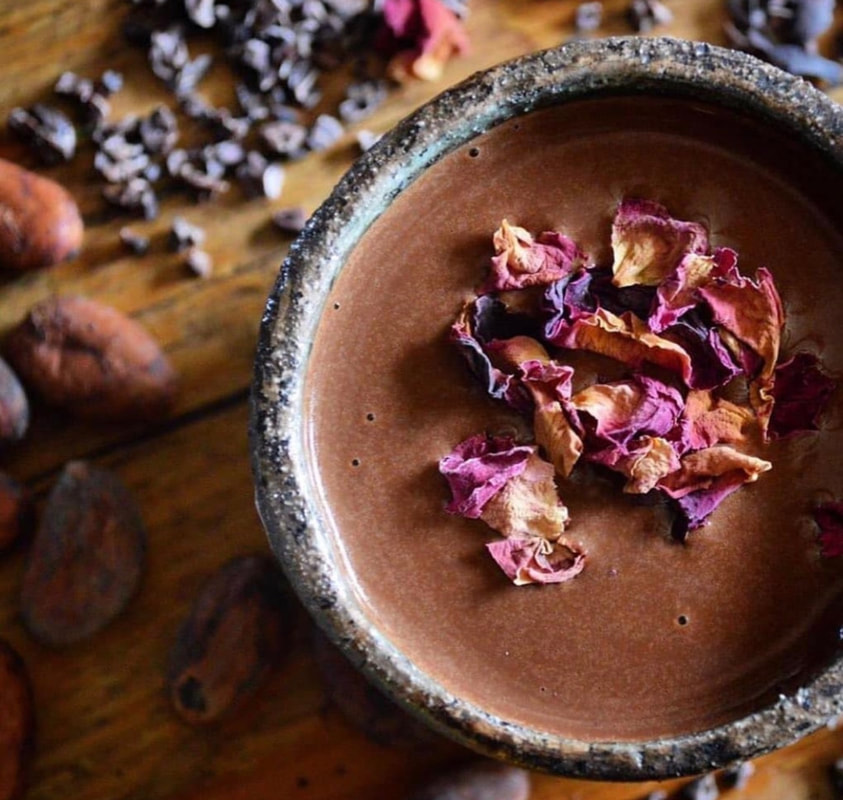
Chocolate and Scents

Scents and Chocolate
Copyright photo Angelina Padron

If you love perfumes, you probably also love food, pastries and chocolates as the sense of taste is 85% olfactive.
Chocolate’s origins trace back to ancient civilizations like the Maya and Aztecs, who revered cacao not only as a food but as a sacred substance.
They prepared a frothy beverage infused with spices, often enjoyed during ceremonial rituals and social gatherings, highlighting the deep connection between chocolate and the human experience. 

In South American countries, particularly in places like Peru and Ecuador, chocolate is deeply embedded in cultural traditions.
Cacao ceremonies have been practiced for centuries, where the preparation and sharing of chocolate are seen as sacred rituals that foster connection and community.  During these ceremonies, raw cacao is often blended with natural sweeteners and spices, creating a rich beverage that is consumed in a communal setting. Participants are encouraged to express gratitude and intentions, making the experience both spiritual and sensory. The act of drinking chocolate becomes a means to enhance emotional well-being, promote mindfulness, and connect with the earth’s gifts. These ceremonies serve not only as a celebration of cacao but also as a reminder of the importance of community and connection in our lives. They highlight the transformative power of chocolate, especially when paired with aromatic scents that engage the senses and promote a feeling of harmony

If tea, coffee and chocolate appear for the first time at the Court at the time of the marriage of Louis XIV with Marie Thérèse d’Autriche, it is only at the time of Louis XV that hot chocolate arrived at the French Court promoted by the well known Marquise de Pompadour.

In recent years, the art of infusing chocolate with various scents has gained popularity, not only for culinary innovation but also for enhancing well-being. The practice of combining chocolate with aromatic spices and fruits creates a multisensory experience that can uplift the spirit and promote relaxation.

The fusion of chocolate with spices like cinnamon, nutmeg, and chili has roots in traditional recipes where these ingredients were believed to have health benefits.

The Wellness Benefits of Scented Chocolate
The infusion of scents into chocolate not only elevates its flavor but also enhances its benefits. Aromatherapy principles suggest that certain scents can influence mood and well-being. When combined with the natural properties of chocolate, this can create a powerful experience for both body and mind. The act of savoring chocolate infused with delightful fragrances can stimulate the release of endorphins, enhancing feelings of happiness and relaxation. Moreover, the antioxidants found in dark chocolate, paired with the health benefits of various scents, create a delicious avenue towards wellness.

Cinnamon, for instance, adds warmth and sweetness while being known for its anti-inflammatory properties. Chili brings a hint of heat, which can boost metabolism and enhance mood.
Basil and Yuzu: This intriguing combination brings a fresh, herbal note to chocolate. Basil, often associated with tranquility and balance, pairs beautifully with the zesty brightness of yuzu, a citrus fruit. The result is a unique flavor profile that invigorates the senses and promotes a sense of well-being
Chai Infusion: The comforting blend of chai spices—cardamom, ginger, cloves, and black pepper—infused in chocolate can evoke feelings of warmth and nostalgia. This combination not only delights the palate but also offers antioxidant benefits, thanks to the spices, making it a perfect treat for relaxation and rejuvenation

Therefore, if you are perfumer, don’t hesitate to associate chocolate and scents and, to everyone, don’t feel guilty anymore, eating chocolate as it is good for you!

Natural Perfumery and the Poetics of Autumn

Poetics of Autumn

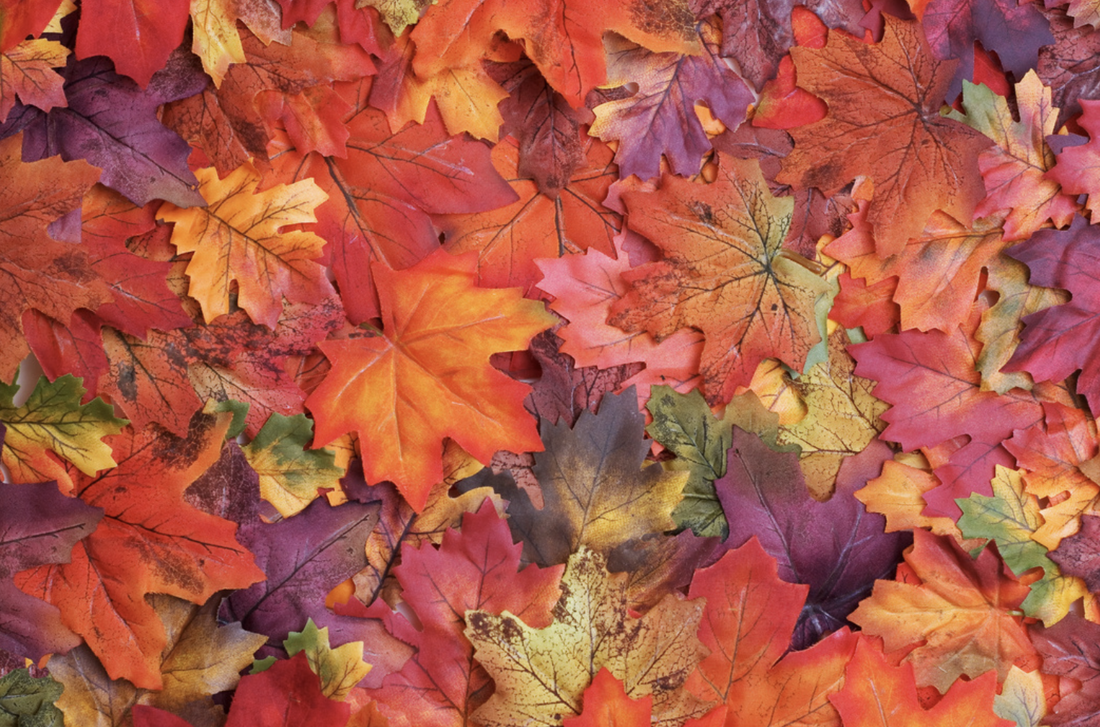
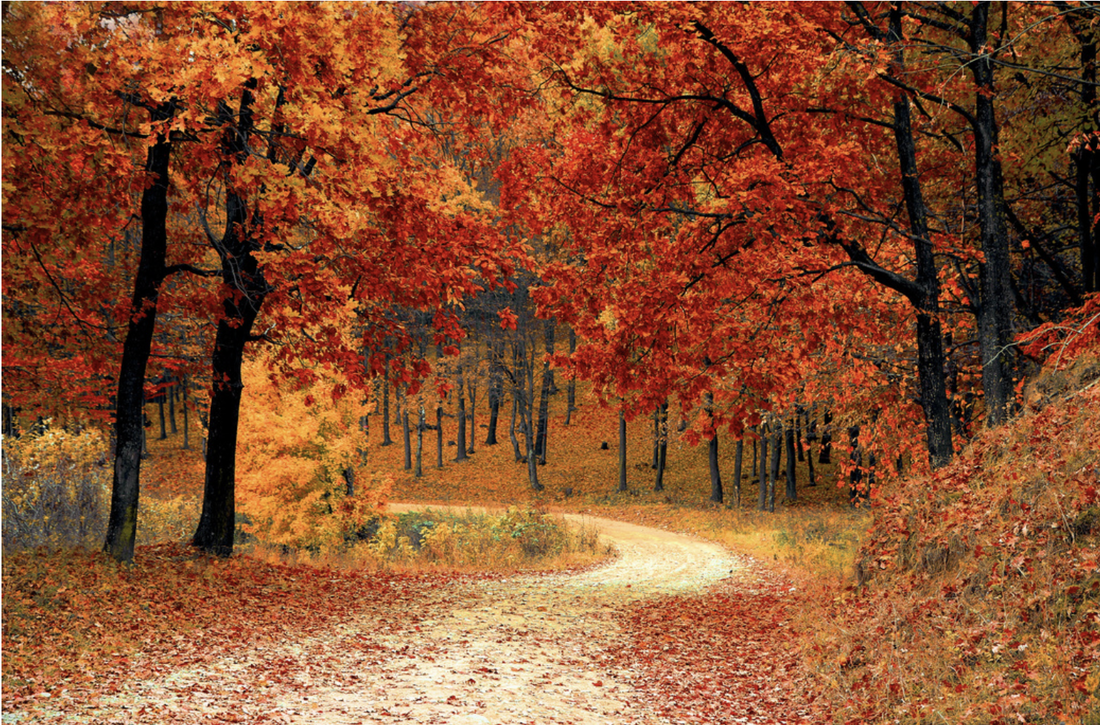
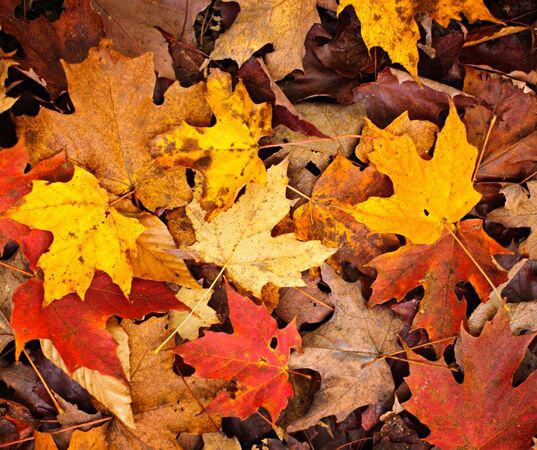
Autumn arrives like a whispered secret, a soft sigh from the earth as it prepares to rest. The world around us slowly transforms, as if painted by an unseen hand—leaves turn amber, orange, and red, setting the trees aglow against the cooling sky. Shrubs and bushes swell with berries, their vibrant colors a final exhale before winter descends. This is the season of last-minute magic, when nature both dazzles and retreats, leaving us, the observers, with a fleeting sense of wonder. The air thickens with nostalgia, filled with the smoky sweetness of burnt wood, the damp freshness of rain-soaked leaves, and the earthy embrace of freshly ploughed soil.

Andrej Babicky, IPF Natural Perfumery Teacher
Andrej Babicky

For a natural perfumer, autumn is more than just a time of transition. It’s a canvas painted with the richest, deepest hues, a sensory feast begging to be captured and transformed. Every step through the forest becomes an invitation to imagine, to interpret, to distill the very essence of the season into fragrance. Picture a walk through a deciduous forest after a rain—damp earth cradles your feet, leaves glisten under the weight of water, and the air hums with the warmth of decay, the richness of life ebbing into the soil. Mushrooms, hidden jewels of the undergrowth, spring up unexpectedly from beneath fallen leaves, while moss-covered bark invites your fingers to trace its rough texture.

To bottle this moment is to capture not just a scent, but a memory—a story. The earthy notes of patchouli echo the scent of damp soil, grounding you in the depths of the forest floor.. The dry, almost salty touch of oakmoss reminds you of fallen leaves, crisp and delicate in their final moments. Dark, amber woods like Buddha wood lend a smoky warmth, like a fire crackling in the distance, while cedar and juniper add a sharp, resinous freshness, cutting through the earthy haze. And there, hidden in the heart of it all, is a softness, a velvety touch of labdanum, like a forgotten scarf wrapped tight against the chill, while artemisia brings a breath of herbal lightness, its slightly fruity aroma a playful contrast to the richness of the woods.

Autumn plants

Autumn’s gift to the natural perfumer is this harmonious dance of contrasts—deep earthiness interwoven with fresh, aromatic notes. In every blend, there is the potential to tell a story of transition, of the slow turning inward that autumn encourages. The scents are complex, layered, and full of nostalgia, yet they also hint at the freshness and life still brimming beneath the surface, waiting for another season to bloom.

But autumn is also a time of preparation, a quiet gathering before the long rest of winter. Fruits are plucked from the trees, mushrooms foraged from the forest floor, herbs carefully cut and laid out to dry. These are the treasures of the season, to be preserved and transformed into tinctures, essential oils, and absolutes—each one capturing a moment of autumn’s fleeting beauty, ready to be released in the depths of winter. The garden, too, undergoes its ritual pruning, as old growth is cut away to make space for the new. Bulbs are planted, tucked beneath the cooling soil, their springtime blooms nothing more than a promise in the dark earth.

In this way, autumn mirrors the process of natural perfumery. Just as we prune the garden to encourage growth, we distill our inspirations, our raw materials, stripping away the unnecessary until we are left with the pure essence. It’s a process of transformation, of preserving the life and vitality of the season, even as the world around us grows quieter. What we gather now, whether through distillation, enfleurage, or extraction, becomes the heart of our creations in the months to come.

Forest in Autumn

There’s something almost magical about the methods of extraction during autumn. The cool, crisp air makes each step in the process feel deliberate, intimate, a conversation with nature. Through the ancient method of enfleurage, we press the last of autumn’s flowers and herbs into fat, capturing their delicate essence as if freezing a moment in time. The fragrant oils and resins distilled from woods and shrubs are rich with the scent of a forest retreating into itself, a fragrant echo of the season’s end.

And yet, autumn is not without its playfulness. Beneath the surface of stillness and retreat, there is joy, a sense of childlike wonder that beckons us to experiment and explore. What if we combined the green, spicy scent of freshly cut hay with the sweetness of overripe apples, or mingled the warming spices of cinnamon and clove with the surprising freshness of rain-soaked petals? There’s room for creativity here, for the unexpected, for the playful mingling of scents that mirror the dance of falling leaves, the fluttering breeze, the surprise of sunlight breaking through gray skies.

As autumn slips toward winter, we are reminded that everything in nature is cyclical. The seeds we plant now—both literal and metaphorical—will one day burst forth in bloom. The fragrances we blend in this golden, fleeting season will carry the warmth and color of autumn with us, even as the snow falls and the earth grows still. In natural perfumery, we become the keepers of this cycle, gathering the essence of the moment and preserving it, ready to share it again when the world outside is frozen and quiet.

Autumn teaches us to pause, to gather inspiration, and to create something that outlasts the season. Each blend of notes, each drop of precious oil, carries within it the memory of amber leaves, the scent of wet earth, and the warmth of the last rays of autumn sun. As the world prepares to rest, we too prepare, knowing that the fragrances we craft now will bloom in the hearts of those who wear them, long after the last leaf has fallen.

Autumn leaves falling

If you want to learn more about Natural Perfumery, enroll for the next Natural Perfumery Course and the Natural Raw Material Extraction Methods Master Class taught by the author.

Enchanting Autumn – Unveiling Nature’s Secrets

Mushroom

Enchanting Autumn: Unveiling Hidden Fragrance Treasures

As autumn’s brush strokes the world in vibrant shades of red and gold, I find myself in the warm embrace of Piedmont, Italy. Here, amidst nature’s grand spectacle, my garden transcends being merely a canvas for predictable perfumery choices. It becomes a treasure trove of concealed aromatic delights.  Autumn beckons with a unique charm, a season when nature dons its most exquisite attire. My explorations lead me on journeys through the woodlands and along riverbanks. It’s a time when I crush leaves between my fingers, uncovering aromas I never expect. In this serendipity, the magic of fragrance discovery comes alive.
Beyond my garden’s confines, I venture on long walks through landscapes veiled in the characteristic autumn fog of our region. These moments of calm and solitude allow me to reflect on the passage of seasons. They also kindle my desire to hunt for seasonal treasures – fruits, berries, mushrooms, and plants awaiting transformation into unique tinctures.

Raw Material Maceration

Autumn’s Palette of Aromas
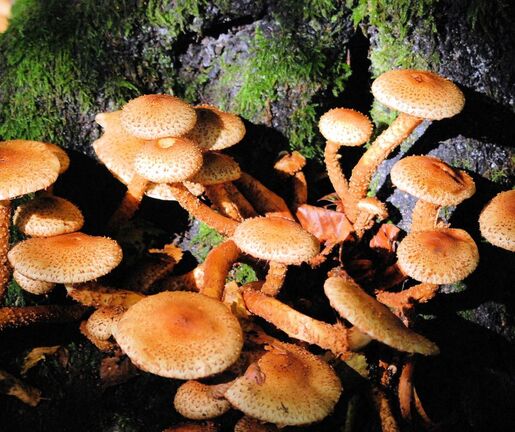
Autumn, with its earthy scents and rich colors, is an opportune time to diversify our collection of essences. Imagine the musty aroma of mushrooms, the scent of undergrowth, and fallen leaves. These olfactory nuances beautifully complement the fragrance profiles of woods and barks. Mushrooms like porcini, field mushrooms, and honey mushrooms each contribute their unique aromatic notes.  Mushrooms, including the esteemed truffle and the woody Ganoderma species, encapsulate the essence of the forest floor. Dried and artfully tinctured, they release an aroma reminiscent of damp earth, undergrowth, and rain-kissed leaves. These tinctures harmoniously intertwine with the scents of barks, leaves, and mosses, creating a symphony of woodland fragrances.

Mushrooms

Our journey then leads us from the forest floor to the lush green canopies, where oakmoss, tree moss, and lichens flourish. Once dried and transformed into tinctures, these natural wonders unveil a unique olfactory profile, marked by a dry, woody, earthy, and somewhat salty aroma. It’s the scent of the forest after a gentle rain, an essence that imparts mysterious depth and a sense of the great outdoors to your fragrances.
In this season, even the changing leaves present intriguing raw materials. Have you ever rubbed nearly dry walnut, apple, magnolia or cherry leaves between your hands, inhaling their delicate scents? While walnut leaves may challenge inclusion in final compositions due to their staining ability, cherry leaves offer a delicately fruity hay aroma. One of my favorites is the oak leaf, which I extract both in spring and autumn. Young leaves exude a bitter, warm, and intensely green scent, while the evergreen magnolia leaves evoke the sensation of sun-warmed wood, with a denser, more mysterious aroma rich in earthy nuances with just a touch of floral notes.

OAKMOSS

Unexpected Inspirations
Sometimes, inspiration strikes unexpectedly. During a bonsai workshop, the scent of maple roots unearthed memories of freshly dug-up carrots, leading to the creation of a surprisingly intriguing tincture.

Autumn

Expanding Horizons with Autumn Fruits
Quince, while cherished for its aroma rather than its taste, exudes a captivating fragrance reminiscent of my grandmother’s closet. Sliced thin and dried, quince becomes an extraordinary tincture, offering a unique and pleasantly juicy concoction with green, herbaceous, and vaguely floral undertones.
The enchantment of autumn extends to other fruits like apples, pears, persimmons, and citrus. These often-overlooked gems can be sliced, dried, and transformed into aromatic tinctures. Apples provide a fragrance reminiscent of an orchard in full bloom, pears exude delicate notes of orchard blossoms and honeyed richness, while persimmons offer a slightly spicy aroma that captures the essence of late autumn.
For citrus fruits, the aromatic potential lies within the rind. Traditionally extracted by pressing the rind or distillation they can be also tinctured. Dried citrus peels hold the zesty, bright, and invigorating essence of lemons, oranges, and various citrus varieties. These citrus tinctures bring a burst of freshness to fragrance compositions, infusing them with the vivacity of citrus groves.

Citrus - Oranges

Unveiling Nature’s Secrets: The Discovery Continues
As autumn gracefully unfolds, a fragrant tapestry unfurls. From the earthy aroma of mushrooms to the sweet notes of berries and the herbal essence of leaves, each scent tells a unique story. This season encourages experimentation and exploration, revealing the boundless potential of fragrances offered by nature. Join me on this journey into the heart of autumn, where every scent is a hidden treasure waiting to be found. 
 
If you’re intrigued by the art of fragrance extraction and want to delve deeper into the secrets of this captivating process, consider enrolling in my Natural Raw Materials Extraction Masterclass. In this comprehensive course, you’ll uncover the techniques, methods, and nuances of extracting fragrances from the most unexpected sources. Whether you’re a seasoned perfumer or a novice exploring the world of scents, this masterclass is your gateway to a deeper understanding of nature’s aromatic treasures.
 
Join me on this exciting journey, where every aroma is a revelation, and every tincture tells a story. Don’t miss the opportunity to discover more and take your passion for fragrances to the next level. Enroll in the Natural Raw Materials Extraction Masterclass today and unlock the secrets of this extraordinary art.

Natural Perfumery Exhibition and Conference in Catalunya

Setmana d'Artesania de Catalunya

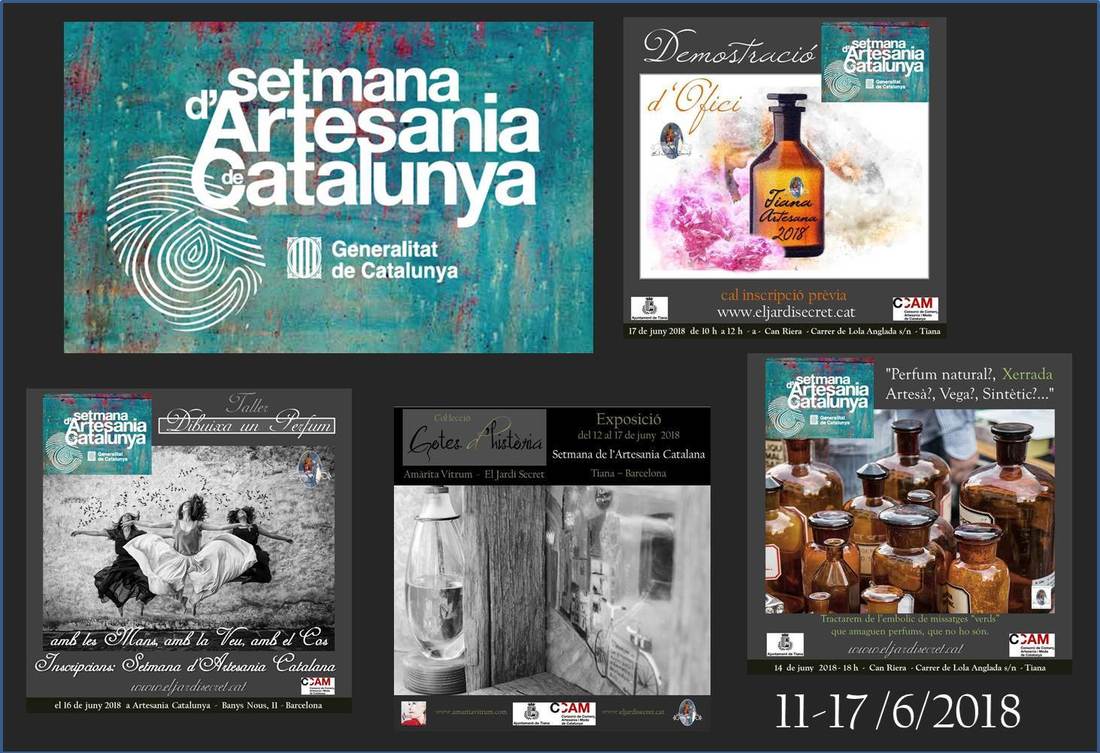
During la Setmana de l’Artesania de Catlunya (Catalonia Arty & Craft Week), you will discover the work of Catalan artisans (a group of 2400 officially accredited people) who practice their art with excellence and transmit their important knowledge to the next generations for their future and their wellbeing.  

Esperança Cases Prats, Natural Perfumer Academician, will  show an important exhibition during this week, to sensibilise the public to the benefits of creative craftsmanship and the importance of nature in perfumery.

Exhibition: Gotas d’Història (drops of history) – synergy of glass and natural perfume.
Conference: Natural perfume? craftsman? Vegan? bio? … To clarify the true meaning of these labels.
June 14 2018 -6pm – Can Riera – Career de Lola Anglada s/n – Tiana
Exhibition: Tiana Artesana – Exhibition of the perfumer’s trade.

Event Venue: Can Riera – Career de Lola Anglada s/n – Tiana

Les Ateliers des Petits Nez – Livre et Conference

Les Ateliers des Petits Nez

Lancement du livre et conférence le 26 Mai 2018
Smell Festival
Bologne

Ce livre et cette conférence s’adressent aux parents, aux professeurs et à tous ceux qui partagent la responsabilité de l’éducation de l’éveil, de la santé et du bien-être des jeunes enfants.
 
Redécouverte du sens olfactif
Le sens olfactif est l’un des premiers sens développé chez les nouveau-nés, mais pendant de nombreuses années il a été considéré comme trop animal et a été largement ignoré. 
Dans notre environnement actuel, le sens visuel domine les autres sens. Beaucoup de gens ont perdu leur instinct olfactif et doivent réapprendre à sentir car pour se sentir bien, nous avons besoin d’utiliser de manière équilibrée chacun de nos sens. 
Sans renforcement, le sens de l’odorat peut diminuer progressivement et presque disparaître à un âge précoce. 
Comme nous l’avons observé dans de nombreuses écoles, les enseignants disent « Regardez! » « Ecoutez! » ou « Touchez! » mais rarement « Sentez! ».  
Pour cette raison, des formations à l’éveil du sens olfactif doivent être introduits à tout âge et à tous niveaux avec les méthodes appropriées à chaque étape de l’enfance.`
Les enfants développent les autres sens (vue, audition et toucher) plus rapidement, ce qui décourage parfois le développement du sens olfactif. 
Ce processus n’est pas intentionnel mais il se produit car leur éducation peut décourager involontairement l’odorat. 
Comme les premières années de la vie d’un enfant sont fondamentales, ils ont besoin d’une variété d’expériences sensorielles pour rassembler un assortiment de sensations qui leur permettront de développer tous les sens harmonieusement, y compris l’odorat. 
Beaucoup d’enfants ont une vision un peu vague du nez par rapport à la façon dont ils visualisent les yeux et la bouche. 
Quand ils dessinent des visages, parfois les nez disparaissent! Ce programme scolaire encourage les enfants et les professeurs à l’observation d’un des organes les plus importants mais encore très mal perçu.
 
Demander le livre

This conference is proposed to parents, teachers and to everyone sharing the responsibility of educating and awakening young children to health and wellbeing.
 
Rediscovery of the Olfactory Sense
The olfactory sense is one of the first senses developed in newborns, however for many years it was considered too animal-like and was largely ignored by many societies. In our present environment the visual sense dominates over the other senses. Many people have lost a keen olfactory sense and must again learn to smell since to achieve wellness holistically, we need each sense to be in balance. 

Since we have observed in many schools teachers saying « Look! » « Listen! » or « Touch! » but rarely « Smell! » For this reason olfactory lessons should be introduced at all ages and at all levels with methods adjusted for each stage of childhood.
Children develop senses other than smell quickly (sight, hearing, and touch) which sometimes discourages the development of the olfactory sense. This process is not intentional but happens because their upbringing might unintentionally discourage the sense of smell. Since the first years of a child’s life are fundamental, they need a variety of sense experiences to gather an assortment of sensations giving them the necessary input to develop all senses harmoniously including the sense of smell.
Many children have a somewhat vague vision of the nose compared to how they visualize the eyes and the mouth.
When they draw faces, sometimes noses go missing!  This program encourages children and teachers to re-discover the olfactory sense.
 
Creezy Courtoy is a Perfume Historian and Anthropologist
Academician of the Natural Perfumery Teacher’s Academy in Paris
International Perfume Foundation’s Founder and Chair
 
 Info:  http://www.smellfestival.it/2018/04/27/programma-2018/

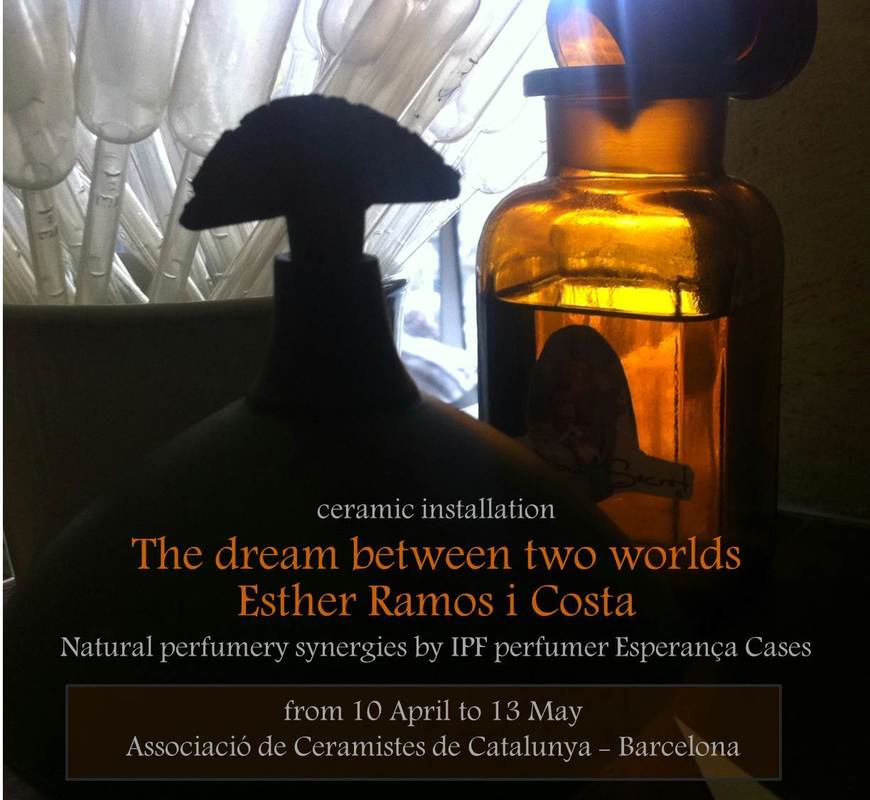
The Dream Between TWO WorldS – INSTALLATION

Synergy, ceramics and natural perfume installation


In Esther Ramos’s ceramics installation “El Somni entre dos Mons” (Dream Between Two Worlds), the important thing is the one that is not seen. 

It is the mystery of the hidden and the intuitive perception of the secret that hides beyond form. It is in the impossible dialectics between the physical and the metaphysical where the soul is revealed, where the silence of thoughts, emotions and sensations speak. Absence and presence simultaneously.
Synergies of Natural Perfumes, invisible but perceptible, reinforce the idea of the hidden.