The Indian Perfume Heritage
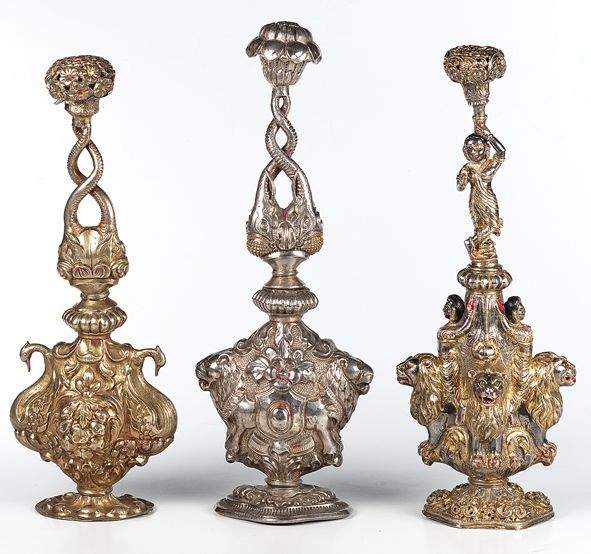
India, renowned as the « Country of a Thousand Perfumes, » is a vast land with a rich history deeply entwined with the art of perfumery.
This title is well-earned due to the country’s extensive cultural rites and religious traditions, which have fostered a profound appreciation for fragrances. Indian literature and daily life are richly imbued with poetic, perfumed legends, and the rituals involve offerings of flowers and scents to the gods as tributes during religious festivals.
In ceremonies, statues of deities are cleansed with scented waters, and spaces are perfumed with rosewater, vetiver, saffron, and blanketed with blossoms. Life’s pivotal events in India, from weddings to funerals, are enveloped in aromatic smoke, symbolizing a continuity of tradition.
The bustling markets of India are a sensory feast, full of vibrant colors and the intoxicating aromas of countless spices and perfumes. Incense burns in abundance, and gifts of flowers and fragrances are tokens of hospitality and friendship. Perfume, known as « attar » in Hindi, plays an essential role in everyday life, symbolizing health, purity, beauty, and spiritual virtues.

Indian women traditionally use kohl to enhance their eyes and indulge in scented baths, anointing themselves with oils like rosewood and tuberose, setting their hair with jasmine, and adorning their faces with floral nectars. Perfumery is esteemed alongside science, medicine, and arts; according to ancient texts, it fulfills the earthly goals of religious devotion, material prosperity, and sensory delight.
Temples, or « gandha-kuti, » are perfumed rooms dedicated to worship. Vedic scriptures, dating back 3,500 years, describe the fumigation of aromatic woods, linking perfumery with spiritual practices. Each God in Hindu mythology is associated with specific flowers, which devotees offer during worship.
India abounds with raw materials essential for perfumery, including mace, nutmeg, cinnamon, clove, ginger, lemongrass, pepper, basil, patchouli, vetiver, jasmine, tuberose, roses…. Among these, sandalwood, considered the sacred national tree, has been cultivated for over 4,000 years. Its aromatic wood is essential for religious ceremonies and holds significant cultural value.
The art of distillation, possibly refined under the influence of Persian advancements, is attributed to Indian origins. According to legend, the Indian princess Nūr Jahān discovered the process leading to modern distillation techniques. Akbar, the « Perfume Emperor, » who ruled from 1556 to 1605, was passionate about scents, leading to a flourishing trade in floral essences at his court.
Fragrance in India is not just a sensory delight but a tapestry woven into the very fabric of its culture, playing a crucial role in its spiritual, social, and economic life, extending its influence throughout Southeast Asia.
Creezy Courtoy is teaching World Perfume History Course, Anthropology of Perfume and Natural Olfaction Training