Australian Essences: Native Botanicals in Natural Perfumery
Sandalwood

How Australian Perfumery Rewrites Fragrance History

Exploration to Australian Native Botanicals Heritage
Australia’s varied climates and soils have shaped the unique qualities of its botanicals. Australia is home to more than 18,000 described native vascular plant species, many found nowhere else on Earth. Shaped by an ancient evolutionary history and the long isolation of the Australian continent, Oceania. These botanicals represent a living botanical heritage that reaches back to the landscapes of Gondwana which began around 140 million years ago. Australia subsequently separated from Antarctica around 50 million years ago, leaving its flora increasingly isolated. Their extraordinary diversity offers perfumers an exceptional palette of aromatic materials with which to tell the story of Australia through scent.

This is why Natural Perfumery is so vital, not only in fostering a new generation of creators but a generation of storytelling.
Australia is reshaping luxury perfumery by blending its rich native botanicals with refined craftsmanship.
Over the past decade, Australian natural perfume brands have gained international recognition for their distinctive use of natural botanical raw materials. Consumer interest in natural perfumery and natural cosmetics has grown through increased awareness driven by social media, marketing campaigns, and Australia’s long-standing relationship with native botanicals.
Consumers increasingly seek products perceived as natural, multifunctional, and environmentally conscious, including organic skincare products and innovative natural formulations.
A defining feature of Australian luxury perfumery is its dedication to natural ingredients and the exploration of botanical alternatives to synthetic materials. Native botanicals such as Boronia offer authentic and intricate scent profiles that are difficult to reproduce convincingly. Beyond their distinctive aromas, some of these botanicals are also valued in aromatherapy, skincare, and
traditional applications.

Eucalyptus, for example, is widely associated with refreshing and invigorating aromatic qualities, while Australian Sandalwood is valued for its warm, grounding character. This commitment to natural ingredients can enhance the sensory experience while encouraging sustainable practices and strengthening the connection between fragrance and Australia’s rich and
diverse ecosystems.

Australian growers and distillers collaborate to extract aromatic materials from distinctive ingredients such as Australian Sandalwood, Boronia, Wattleseed, Prostanthera, also known as Australian Balm Mint Bush, paperbark-derived raw materials, Niaouli, and Kunzea. Together, these scents help describe the plants and landscapes that form the unique olfactory identity of Australia.
Among Australia’s celebrated perfume houses and fragrance brands are Who Is Elijah, Roemy, Aesop Fragrances, Goldfield & Banks, Raconteur, The Labo Organics, One Seed, Mad et Len, Mutky Botanique, and Solid State. Other Australian brands working across natural perfumery, aromatherapy, natural
cosmetics, and herbal products include Wild Wood Oils of Australia, Petal and Wood, Rinascentia, Ere Perez Natural Cosmetics, Nhiru, ÆS Création Naturel, and Herbal Extracts of Australia.

The Challenges of Natural Perfumery
Natural Perfumery do not come without their challenges, like the production and selection of ingredients. ”Red List” provides a parameter in the selection of the least endangered botanical species. This list contains critically endangered and threatened ingredients. Ethical Natural Perfumers will use the least endangered ingredients from extinction or suppliers who utilise legal and ethical production practices.

Buying from brands that put the product over profit by creating a smaller batch with curated ingredients means a small production footprint and ultimately a more ethical product.
“Niche perfumery” or “Custom made perfumery” is about people wanting to have more unique experiences or products in their lives that match their personality and values or assist in expressing their identity through the choices they make.

Many Australian Natural Perfume brands are inspired by the “outdoors” having a fresh aspect with woody, smokey amber and vanilla facet notes. The use of Australian Native Botanicals in Natural Perfumery has been the key for achieving unique fresh fragrances.
Australian Natural Perfumery has been influenced by the European French Perfume traditional processes, adding innovation and the use of Australian Botanicals.

Australian Fragrance Preferences and Botanical Materials
Australian consumers are drawn to a variety of fragrance profiles, including Fig, Plum, Frangipani, and White Musk accords. Oakmoss, Cypriol Nagarmotha, Cistus Labdanum, Birch, and Tobacco have also been used as base-note materials in Fougère- and Chypre-style perfumes.
Some Australian perfume houses are taking the opportunity to incorporate Australian botanicals into their signature natural perfume formulations, including:
Boronia
Boronia

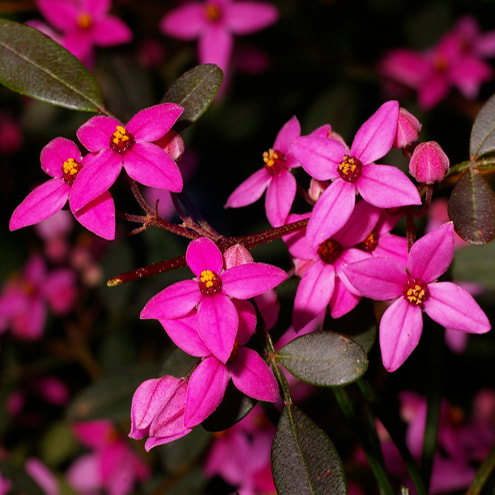
1. Boronia — Boronia megastigma
Boronia and its essential oil are renowned for their distinctive, complex aroma. The fragrance combines fruity, floral, and green nuances, with facets that may suggest raspberry, apricot, violet, and freesia. It blends particularly well with Sandalwood, Clary Sage, Bergamot, and floral materials and can be used in Chypre- and Fougère-inspired compositions.

2. Wattleseed — Acacia species
Wattleseed comes from species within the Acacia family. Roasted Wattleseed is known for an aromatic profile reminiscent of toasted coffee, sweet spices, raisins, and chocolate. It has applications in food and can also provide an intriguing aromatic dimension in natural perfumery.

3. Orange Jessamine — Murraya paniculata
Also known as Orange Jessamine or Mock Orange, Murraya paniculata is found in parts of Australia and across South and Southeast Asia. It has an exquisite, intoxicating aroma, offering a sweet, honeyed, distinctly citrus-floral fragrance. Its complex character can be sufficiently expressive to function as a central element within a perfume composition.

4. Niaouli — Melaleuca quinquenervia
Niaouli has a floral, fresh, and camphoraceous aroma, adding an uplifting aromatic quality that can be used in perfumery and body-care formulations.

5. Kunzea — Kunzea ambigua
Kunzea essential oil, particularly associated with Tasmania and southeastern Australia, has a clean, fresh, and distinctive aromatic character. Its invigorating profile makes it suitable for natural perfumery and aromatherapy applications.

6. Australian Balm Mint Bush — Prostanthera teretifolia
The essential oil of Prostanthera teretifolia, also known as Australian Balm Mint Bush, has a eucalyptus-mint character with a fresh lime facet. This creates a clean, energising, and invigorating aromatic profile.

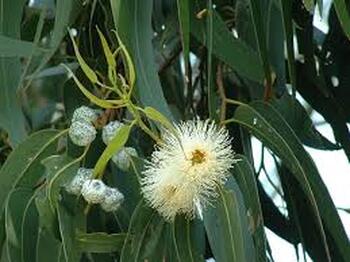
Eucalyptus Radiata
Eucalyptus Radiata
Eucalyptus Globulus
Eucalyptus Globulus

7. Eucalyptus — Eucalyptus species
Several Eucalyptus species, including Eucalyptus globulus, Eucalyptus radiata, and Eucalyptus citriodora, have long been used in healthcare, aromatherapy, perfumery, and household applications.
Their essential oils offer distinctive fresh, green, camphoraceous, or citrus-like aromatic profiles, depending on the species.

8. Tea Tree — Melaleuca alternifolia
Tea Tree, Melaleuca alternifolia, is widely known for its use in skincare, household products, aromatherapy, and other applications. In perfumery, its essential oil contributes a characteristic herbaceous, earthy, woody, and medicinal aromatic profile.

9. Rosalina — Melaleuca ericifolia
Rosalina, Melaleuca ericifolia, is another Melaleuca species whose essential oil has a softer, more floral and lavender-like aromatic character than traditional Tea Tree. It can contribute a calming and fresh facet to natural fragrance compositions.

10. Honey Myrtle — Melaleuca teretifolia
Honey Myrtle, Melaleuca teretifolia, has a delicate, honeyed, lemon-like, and refreshing aroma. Its essential oil is used in aromatherapy and fragrance applications and is valued for its bright, uplifting character.
Sandalwood
Sandalwood
Sandalwood
Sandalwood

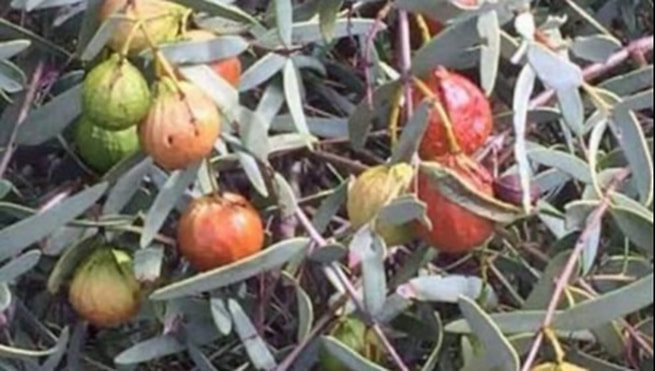
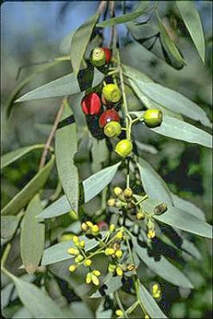
11. Australian Sandalwood — Santalum spicatum and Santalum lanceolatum
Australian Sandalwood essential oils offer distinctive woody profiles. Santalum spicatum, commonly known as Western Australian Sandalwood, has a dry, woody, balsamic character.
Northern Sandalwood, Santalum lanceolatum, offers a more complex floral, citrusy, earthy, and woody profile. Australian Sandalwood is widely used in modern perfumery and aromatherapy and has a long history of cultural use by Aboriginal Australian peoples.

Buddha Wood
Buddha Wood

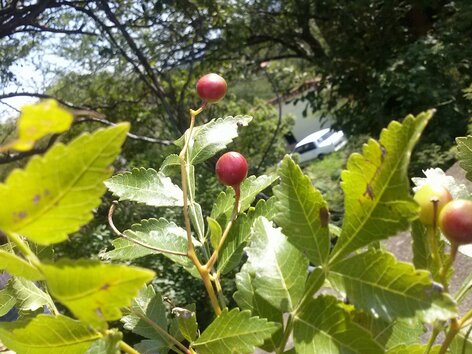
12. Buddha Wood — Eremophila mitchellii
Buddha Wood, Eremophila mitchellii, produces an essential oil with a deep, dark, woody character often compared to Oud, with balsamic and incense-like facets. It can be particularly effective as a base note and in compositions intended to evoke depth, warmth, and meditation.

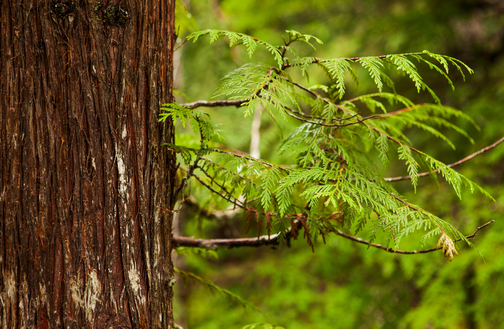
13. Blue Cypress — Callitris intratropica
Blue Cypress, Callitris intratropica, is characterised by a distinctive, crisp, woody, and grounding fragrance. It can blend well with materials such as Patchouli, Lavender, Clove, and Star Anise.

Jasmine
Jasmine

14. Jasmine and Jasmine-like Australian Cultivation
Several Jasmine species and Jasmine-like plants are cultivated in Australia.

  • Star Jasmine, Trachelospermum jasminoides, is not a true Jasmine but is valued for its sweet, honey-like aroma, which becomes particularly noticeable in the evening.
  • Pink Jasmine, Jasminum polyanthum, produces a strong, profuse, and heady sweet fragrance from its pink buds and white-to-pink star-shaped flowers, particularly during late winter and spring.
  • Native Jasmine, Jasminum suavissimum, develops an intensely sweet fragrance during spring and early summer nights.

Australia’s Emerging Olfactory Identity
As we can see, Australian perfume brands have an extraordinary opportunity to draw upon the diversity of Australia’s native aromatic botanicals. These materials can contribute an authentic Australian dimension to fragrance while creating distinctive olfactory signatures inspired by plants and landscapes that are not widely represented in international perfumery.
This represents an important opportunity for Oceania to establish a stronger presence on the global map of aromatic raw materials for natural perfumery, natural cosmetics, aromatherapy, and herbal products.

Australian Natural Perfumery is not simply adopting an existing fragrance tradition. It is building upon European and French perfumery techniques while developing a distinctly Australian vocabulary of scent—one rooted in the country’s botanical diversity, landscapes, growers, distillers, and cultural heritage.
The future of Australian perfumery may therefore lie not only in creating beautiful fragrances, but in telling the story of a continent through scent.

Ethnical Aromatherapy: How Botanical Diversity Shapes Essential Oils

Ethnical aromatherapy and botanical diversity

Botanical Diversity in the study of Ethnical or Regional Essential Oils

Ethnical Aromatherapy invites us to look beyond the essential oil itself and return to its true origin.
An essential oil is not simply a fragrant extract — it is a complex and concentrated expression of a plant, shaped by its land, its climate, and its botanical identity. Obtained through distillation or cold pressing, each essential oil carries not only its chemical composition, but also the imprint of its country of origin and its genotype. Understanding this diversity is fundamental to both the art and the science of aromatherapy.

Aromatherapy is both an Art and a Science that involves healing oneself with the use of Essential Oils. 
Ancient civilizations, including Egyptians and Greeks, used aromatic plants and oils for medicinal and therapeutic purposes. 
When talking about Aromatherapy, we usually refer to Lavender, Rosemary, 
Rose Geranium, Basil, Chamomile (German and Roman), Jasmine, Rose, Clove, Cinnamon, Black Pepper, Mint, Peppermint, Cedarwood,  Eucalyptus, Juniper (Juniper berry), Cypress, Sandalwood, Patchouli, Vetiver, Star Anise, Ginger, Carrot Seed, Orange Sweet, Bergamot, Lemon, Lime, Grapefruit, Mandarin, etc. 
Each Essential Oil has specific properties depending on the Region of Extraction and the type of soil and Genotype.

It is important to know that there are different varieties of plants and each of those varieties of plants provide an Essential Oil with a different scent profile and may provide a different therapeutic use. 

Carl von Linné, in the 18th century, dedicated his scientific work to making a general classification of plants and animals. He described each classification by three names:
Family, Genus and Species. Usually, these three names will be given Latin names, as a universal language. In his book Species Plantarum , Linné defined a binomial nomenclature, using two names): 
1. Gender Name 
2. Species Name 
This binomial term classification continues to be used up to date. Gender in ˆLatinized” capital letter. Species in “Latinized” lower case letter. The Species name is often based on characteristics of the plant by their shape, properties, country of origin, smell, color, number of flowers, time of growth or flowering. 
For instance: 

Eucalyptus radiataEucalyptus citriodora, lemon-scentedEucalyptus globulus

Eucalyptus has 3 species:
Eucalyptus radiata (Peppermint like gum scent, NSW, QLD, VIC, 
TAS, Australia)
Eucalyptus citriodora (Lemon like gum scent, Queensland, Australia), Eucalyptus globulus (Woody camphoraceous like gum scent, Tasmania, Australia). 
Each of these 3 different species of Eucalyptus will have a different aroma profile and therapeutic use. Eucalyptus radiata is used to treat congestion in the upper respiratory tract (nose, throat, pharynx), while Eucalyptus globulus is used to treat congestion and infection in the lower respiratory tract (lungs, bronchi, trachea, bronchioles). Eucalyptus citriodora has been used as an insect repellent, also it is decongestant in the upper respiratory tract, use in pain relief as an anti-spasmodic treating arthritis, muscle pain; and it is an antiseptic used for treating wounds and cuts. 

The International Code of Botanical Nomenclature (ICBN) and the International Code of Nomenclature of Cultivated Plants (ICNCP) have 114 classified existing botanical families, including: 

  • 40 prominent botanical families of medicinal plants 
  • 20 prominent botanical families of perfume plants 
  • 12 prominent botanical families of essential oil plants 

Aromatherapy is based on the 12 prominent botanical families of essential oil plants. 
These families’ names are in Latin: 

  • Abietaceae (Conifers, Resins)
  • Apiaceae (Angelica, Coriander, Fennel)
  • Asteraceae (Chamomile, Daisy, Helichrysum, Tarragon)
  • Cupressaceae (Cypress, Juniper); Ericaceae (Wintergreen, Lemon)
  • Geraniaceae (Geranium, Pelargonium)
  • Lamiaceae (Lavender, Mint, Marjoram) 
  • Lauraceae (Cinnamon, Laurel, Ravintsara)
  • Myrtaceae (Myrtle, Tea Tree, Eucalyptus)
  • Poaceae (Grasses like Vetiver or Cymbopogon) 
  • Rutaceae (fruits, citrus like Lemon, bigarade petitgrain, sweet orange)
  • Zingiberaceae (Roots like Turmeric, Ginger and Cardamom). 

Essential Oils used for Aromatherapy must be “pure essential oils” and high quality. 
This means that it is a genuine botanical source and contains no fillers, additives or other impurities or adulterations. 

The Chemotype or Chemical Race  is like an ID card of a plant.
The “chemotype” makes it possible to distinguish two or more essential oils of different chemical compositions produced from plants of the same species. For instance: 

Exotic Basil
Exotic Basil
Holy Basil
Holy Basil

Basil Chemotypes: 

  • Exotic Basil : Ocimum basilicum L. – Extracted from flowering top – Contains Chavicol methyl ether, linalool – Used as a tonic for the central nervous system, revitalizing and anti-stress, powerful antispasmodic, digestive tonic.
  • Holy Basil : Ocimum basilicum L. – Extracted from Leaf – Contains metyl-eugenol, beta-caryophyllene – Used as a stimulant of the nervous and physical system, anti-infectious, used in acne treatment, or antioxidant.

A Chemotype is defined, either from the country or region of origin, or from the part of the plant being extracted. 

German Chamomile
German Chamomile
Roman Chamomile
Roman Chamomile

Chamomile Chemotypes: 

  • German Chamomile – Matricaria recutita L. – Extracted from Flower – Contains farnesene, chamazulene, bisabolol oxide – Used as a powerful anti-inflammatory, anti-allergic, antipruritic, or antispasmodic. Restricted internal use. 
  • Roman Chamomile – Chamaemelum nobile L. – Extracted from Flower -Contains isobutylene angelate, isoamyl angelate – Used as a sedative of the central nervous system, antispasmodic, anti-inflammatory, analgesic, antipruritic, or anti-allergic. 
Cedarwood
Cedarwood

For Cedarwood, there are four Chemotypes: 

  • Atlas Cedarwood
  • Virginian Cedarwood
  • Himalayan Cedarwood, 
  • Texas Cedarwood.

The most used are the Atlas and Virginian. 
Both have lymph-tonic and draining properties, significant lipolytic skin regeneration and scalp tonic. Beware, these varieties have abortive and neurotoxic properties in the long term. 
Each country grows local, ethnical aromatic plants, and this is important to know  regarding diversity and the use of essential oils sourced locally. 

Indian Sandalwood
Indian Sandalwood

Sandalwood: Currently, Australia is growing two varieties of Sandalwood: Deadwood Sandalwood and Northern Sandalwood. Both Australian Sandalwoods have a very distinctive aromatic profile and also, they have a different aromatic profile from the Indian Sandalwood. 

This allows perfumers to get out of their habits and experiment with new varieties of the same species. 

In Yucatán, México, there are aromatic plants that come from the same species of Marjoram or  Oregano and Basil: 

Spanish Hill Oregano

Lippia graveolens Kunth: (Spanish Hill Oregano) it is grown in Texas, USA, and Mexico, Central America.  This Mexican Oregano is used as an antiseptic, antipyretic, analgesic, abortive, antispasmodic, anti-inflammatory, diabetes and menstrual problems. The essential oil extracted from this plant has carvacrol, and timol mostly. It has been used as a Flavor component, in Perfumery, Cosmetics, Pharmaceuticals and Liquor.

Ocimun campechianum Mill: (Hill’s Basil) it is grown in USA down to South America. It is used in traditional medicine to treat intestinal inflammation, ulcers, gastritis, dysentery, vomit, and stomachache. The Essential Oil from this plant is extracted from its leaves. It contains eugenol, beta-elemene, beta-caryophyllene, eucalyptol, metil-E-cinnamate and carvona. 

India Lavender Tree
India Lavender Tree

Bursera linanoe: (Indian Lavender Tree) is native to Mexico, and it is cultivated in India for the extraction of the essential oils from the wood and berries. This tree species produces a combination of Lemon and Jasmine scent. This Indian Lavender Tree is a different species compared to Lavandula shrub. This species contains linalyl acetate and is used as a substitute to Bergamot. In Guerrero, Mexico, there is an Artcraft production of decorated wooden boxes called “Cajitas y Cofres de Olinalá” made from the Linaloe wood of this Indian Lavender Tree. 

REFERENCES: 
1. Plantas Aromáticas de Yucatán – Calvo Irabién, Luz Ma.
2. Natural Aromatherapy IPF Certification Course – Sastrias, Ana Elena 

A Journey into Natural Perfumery and Extraction Methods

Exploring the essences of Grenada

A Journey into Natural Perfumery and Extraction Methods

In May, I embarked on an enchanting journey to Grenada, the renowned « Island of Spices, » to participate in the Scents of Grenada festival. This event, organized by perfumer Stephen Dirk and Tower Estate owner Isabelle Slinger, provided a unique opportunity to immerse myself in the world of natural perfumery and share my knowledge on enfleurage techniques and botanical tinctures. Supported by the Ministry of Tourism, this event aimed to highlight the island’s rich aromatic heritage and its potential in the field of natural perfumery.
Grenada’s tropical climate plays a significant role in its rich biodiversity. The island enjoys a wet season from June to December and a dry season from January to May. This climate fosters a wide variety of plant species, including numerous aromatic and medicinal plants. The concept of terroir, often used in the context of wine, is equally relevant to perfumery. Terroir refers to the unique combination of soil, climate, and topography that imparts distinct characteristics to the plants grown in a particular region. Grenada’s terroir is uniquely suited to producing aromatic plants with rich and complex scent profiles.

Exploring the essences of Grenada

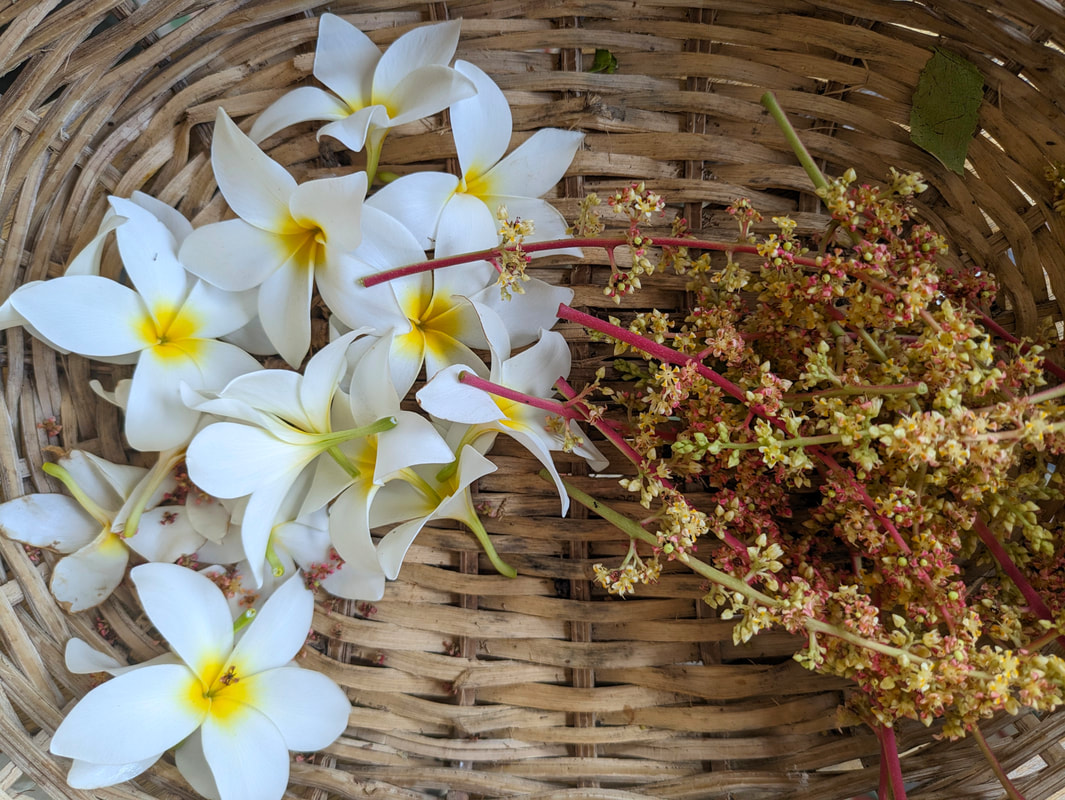
The Tower Estate, where the festival was held, is a testament to this rich terroir. The estate’s garden is a meticulously curated collection of aromatic and perfumed tropical plants, designed to be a sanctuary for perfumers and enthusiasts. This living laboratory will offers an inspiring environment where visitors can experiment with different extraction methods, touch and smell the plants and flowers, and draw inspiration from nature’s bounty. Despite Grenada experiencing a dry period during my visit, the garden was a testament to resilience and beauty, boasting stunning blooms of mango blossom, gardenias, Rangoon creeper, plumeria, various jasmine species, and the intoxicating ylang ylang.
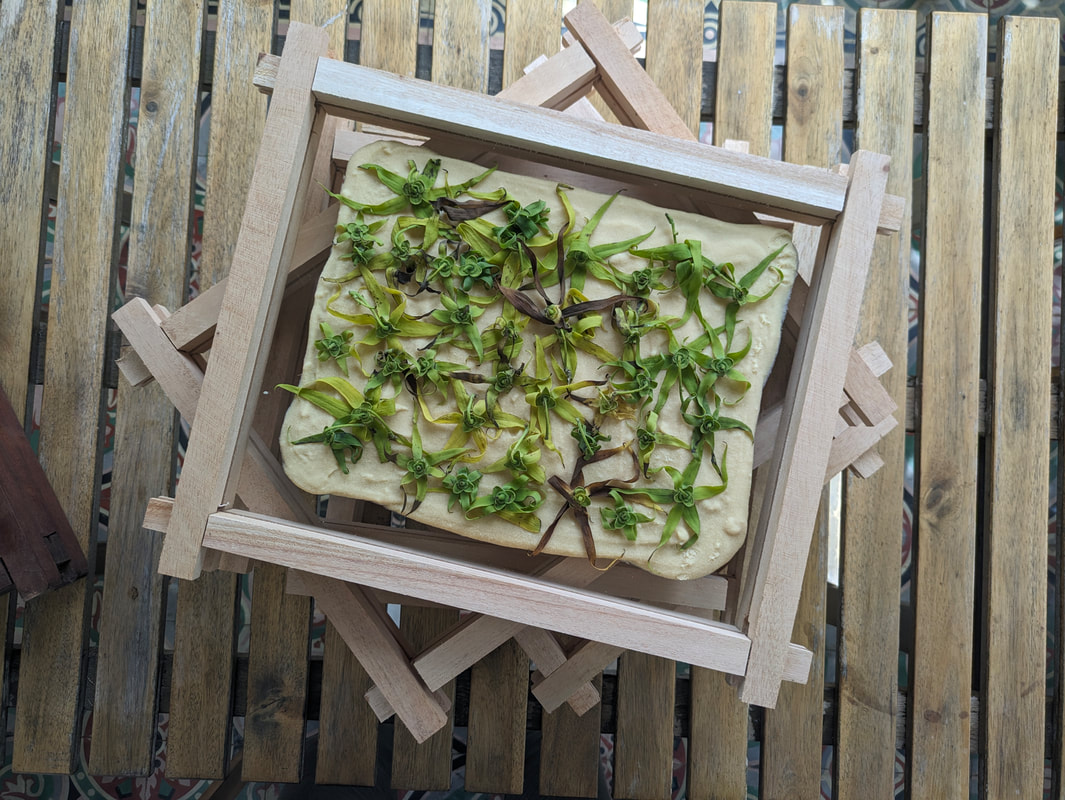
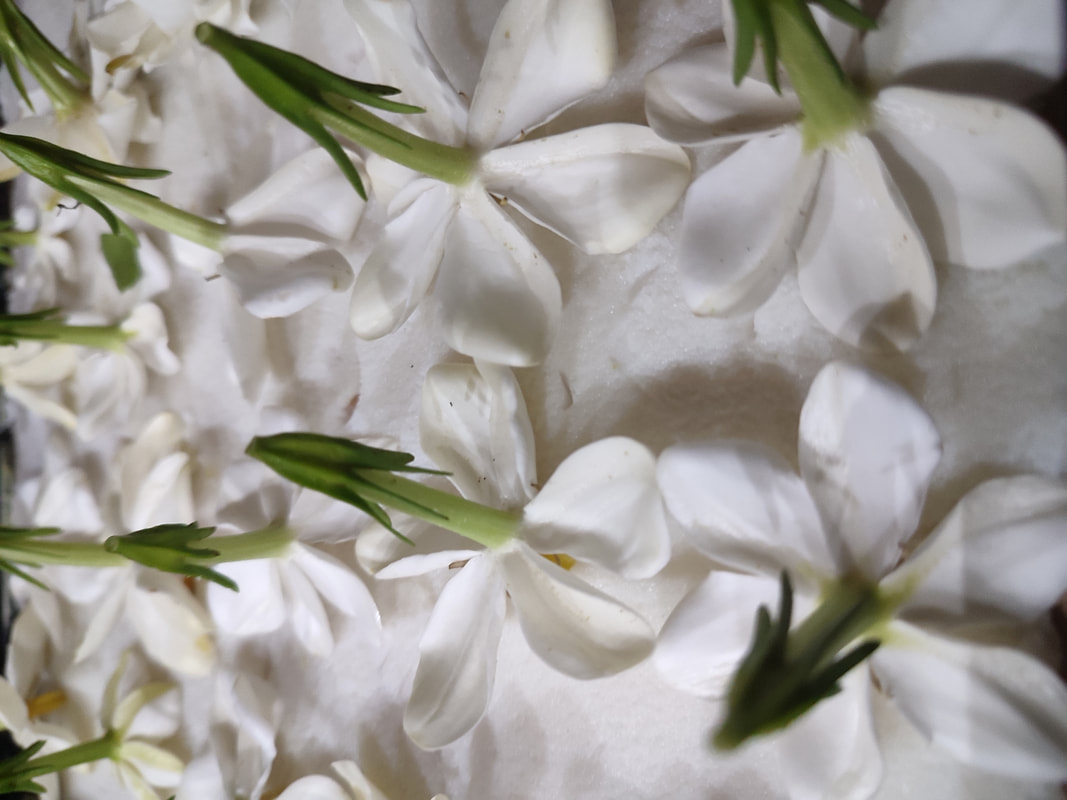
Ylang ylang (Cananga odorata) is a tropical tree native to Southeast Asia but has found a welcoming home in Grenada’s climate. The tree’s flowers are highly prized in perfumery for their sweet, floral, and slightly spicy scent.  During our workshop, we delved into the art of enfleurage, a traditional method of capturing the ephemeral essence of flowers. Every morning, we handpicked ylang ylang flowers at dawn, preserving their delicate fragrance for our enfleurage experiments. This process, though labor-intensive, yields an exquisite and true-to-life fragrance that captures the living essence of the flower.
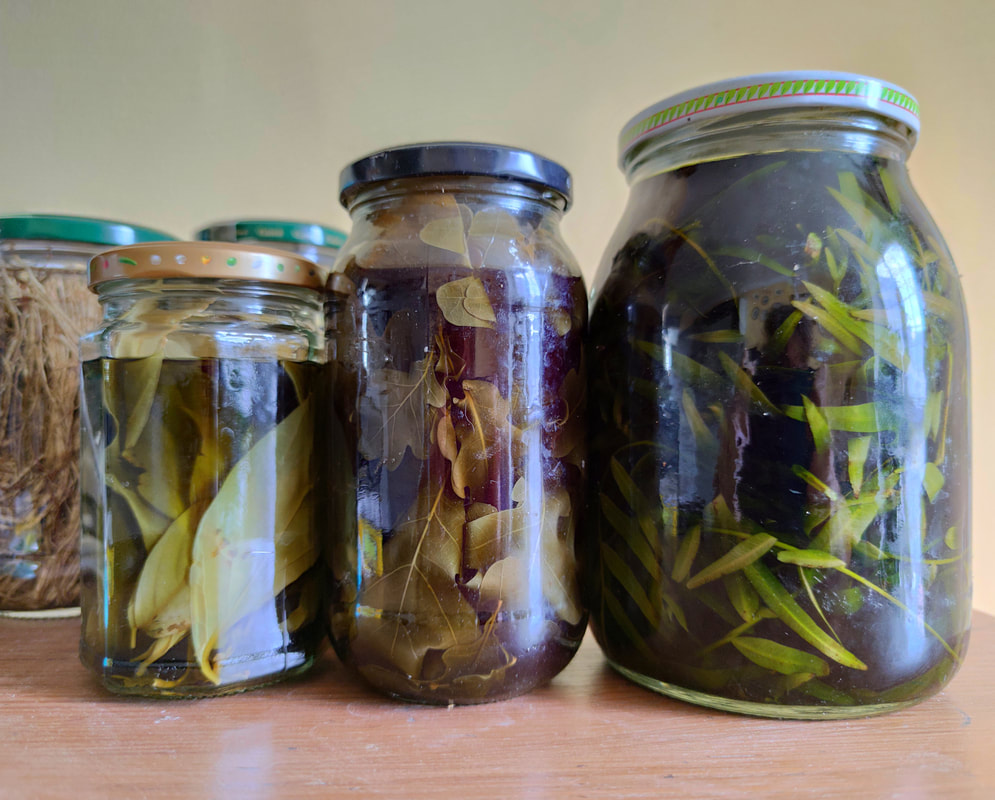
Our exploration did not stop at ylang ylang. We also worked with plumeria and mango flowers, each offering its unique aromatic profile. Additionally, we experimented with distillation using bay rum (Pimenta racemosa), a quintessential Caribbean plant with leaves that exude an unmistakable aroma. This hands-on experience provided invaluable insights into the diverse methods of extracting essential oils and the distinct characteristics of each plant.
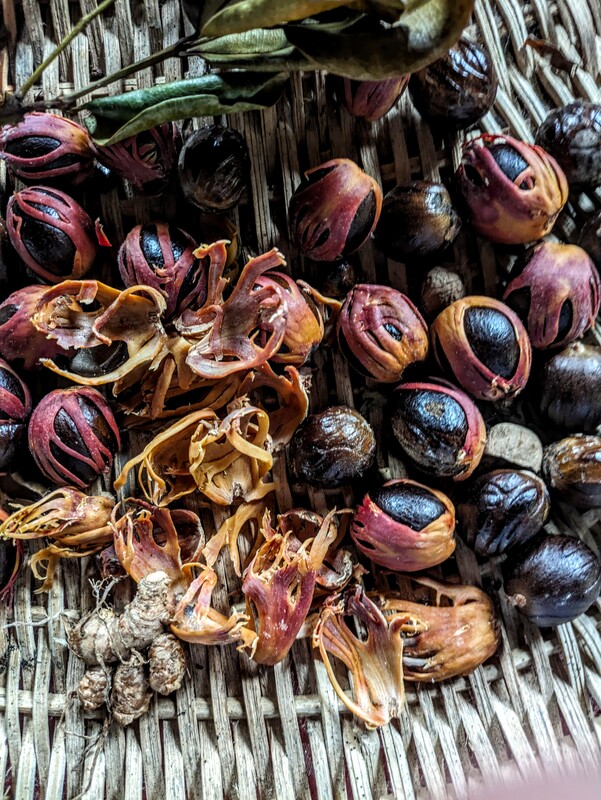
One of the highlights of my trip was encountering nutmeg in its natural habitat for the first time. Grenada is one of the world’s largest producers of nutmeg, and this spice is integral to the island’s identity. Both the nut and the mace, the lacy covering of the nutmeg seed, are used in perfumery, while the outer pulp is transformed into jams and drinks. Nutmeg’s rich, warm aroma and versatile flavor have made it a prized ingredient in culinary delights and fragrant concoctions alike. This multifaceted use of nutmeg underscores the island’s rich botanical heritage and its potential in natural perfumery.


Nutmeg from Grenada

Grenada’s unique climate and terroir are not only ideal for growing traditional aromatic plants but also support a range of endemic species. The island is home to several plants that are not found anywhere else in the world, offering a treasure trove of potential raw materials for perfumery. These endemic plants, combined with the island’s rich spice heritage, create a diverse and vibrant aromatic landscape.
The concept of the perfumer’s garden at Tower Estate is particularly fascinating. It is a living, breathing repository of scents, offering a place for perfumers to connect with raw materials in their natural state. This garden not only serves as a source of inspiration but also as an educational platform where visitors can learn about the cultivation and extraction of aromatic plants. The idea of a perfumer’s garden aligns perfectly with the principles of natural perfumery, which emphasize sustainability, ethical sourcing, and a deep connection to nature.
The event itself is a dynamic meeting point for perfumers, enthusiasts, and local growers. It highlights the island’s wealth of botanical resources and encourages the local community to explore the potential of these resources. Grenada’s nickname, the « Spice Island, » is well-earned, with abundant nutmeg, ginger, cinnamon, and other spices that are ideal for essential oil production. The festival also serves to awaken the interest of the locals to exploit the resources at their disposal and produce some essential oils from the plants that are widespread on the island.

Enfleurage

One of the promising aspects is its potential to create new business opportunities for local farmers and producers. By educating locals about the potential of Grenada’s botanical resources, the event promotes the idea of creating a sustainable economy centered around natural perfumery. This not only preserves the island’s heritage but also offers economic opportunities for local farmers and producers. Cultivating aromatic plants and producing essential oils can provide a new source of income for the local community, fostering economic growth while preserving the island’s natural beauty.

Moreover, events like this encourage experimentation with new materials and extraction methods. Grenada’s unique climate and diverse plant species offer endless possibilities for innovation in natural perfumery. By exploring new combinations of raw materials and rediscovering traditional extraction methods, perfumers can create unique and captivating fragrances that reflect the island’s rich aromatic heritage.

Ylang Ylang Enfleurage

During my stay, I also had the privilege of seeing the process of crafting enfleurage chassis from locally harvested mahogany wood. This beautiful and durable wood is used to create the frames that hold the fat used in enfleurage, adding a touch of local craftsmanship to the extraction process. The use of locally sourced materials not only supports the local economy but also ensures that the extraction methods are sustainable and environmentally friendly.
The visit in Grenada provided an opportunity to discuss the potential of using endemic plants in perfumery. These unique species, found only in Grenada, offer a wealth of untapped potential for creating distinctive and exclusive fragrances. By cultivating these plants and developing new extraction methods, Grenada may become an important player in the field of natural perfumery, attracting perfumers and enthusiasts from around the world.

Scents of Grenada

In conclusion, my visit to Grenada and participation in the Scents of Grenada festival was a profound reminder of the deep connection between nature and the art of perfumery. The island’s rich aromatic landscape, coupled with the innovative spirit of the festival, showcased the immense potential of natural perfumery. It highlighted the value of returning to traditional extraction methods, experimenting with new materials, and rediscovering the unique heritage of places rich in botanical diversity.
Investing interest in projects like the perfumer’s garden at Tower Estate offers numerous opportunities. It allows for the preservation of traditional knowledge, the promotion of sustainable practices, and the creation of a vibrant community passionate about natural perfumery. Grenada, with its abundant aromatic resources and dedicated community, is poised to inspire perfumers and enthusiasts alike to explore and celebrate the island’s fragrant treasures. The Scents of Grenada festival not only showcases the island’s botanical bounty but also serves as a beacon of sustainability, innovation, and cultural preservation.

Andrej Babicky is one of our best teachers, if you want to learn how to extract the scents of flowers, plants, wood or roots, check his course.

Unveiling the Ancient Art of Enfleurage: Capturing the Essence of Flowers

Enfleurage

Unveiling the Ancient Art of Enfleurage: Capturing the Essence of Flowers
Natural perfumery it’s not just about creating amazing fragrances, but also about growing flowers and extracting essences. One technique that holds a special place in this aromatic world is enfleurage. It’s all about capturing the magical essence of a flower to make one-of-a-kind scents. So, let’s dive into the enchanting process of enfleurage and get tangled up in the mesmerizing world of scents!
 
It is to the Greeks that we owe the addition of oils scented with flowers to spices, gums and balms.
The flowers and plants used for export must be transformed to be preserved. Olive oil, one of the main wealth of Greece, was used as an ointment and as an excipient in the manufacture of perfumed oils. The Greeks practiced enfleurage and very early developed the art of making perfumes.
During the mid-1700s. Grasse became a thriving center for industrial production and essence extraction, thanks to the refinement of this technique. However, in today’s modern perfume industry, enfleurage is considered more of a historical extraction method. Solvent extractions and the utilization of aromatic molecules have taken precedence. Nonetheless, with the recent resurgence of interest in natural perfumery, some perfumers have embraced enfleurage once again, making slight modifications to the classical procedure and achieving remarkable results.

Enfleurage

Enfleurage is primarily employed for flowers that contain small quantities of essence or delicate blossoms that could be compromised by other extraction methods.
The technique capitalizes on the principle of fat absorption, where the most volatile aromatic molecules are captured by a fat medium upon contact. Various fats, such as lard, ox fat, lamb fat, vegetable oils, mineral oils, and even Vaseline, were traditionally used. Often, a combination of fats was employed, and the specific formula was carefully guarded as an industrial secret, tailored to different flowers and extraction seasons.
 
The unique property of fats to adsorb odorous substances is harnessed when other extraction methods fail to capture the desired scent from flowers or plants. In enfleurage, the flowers are placed in direct contact with the fat, be it in liquid or solid form, until the fat becomes saturated with the perfume. Enfleurage can be performed using either the hot or cold method, depending on the flower and desired outcome. Nowadays, enfleurage is predominantly practiced for illustrative and educational purposes, as it is a labor-intensive and costly process.

Enfleurage

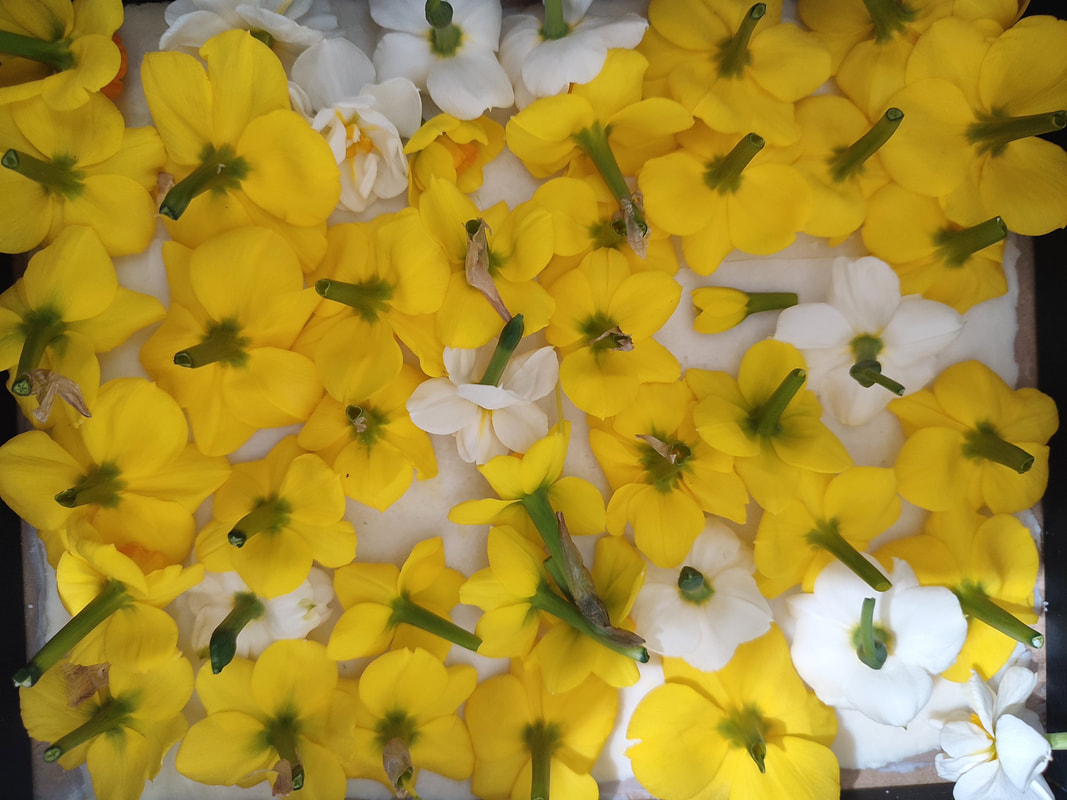
During cold enfleurage, flowers were placed daily on frames coated with a thick layer of fat.
It took approximately 60 days for the fats to absorb the fragrance fully. For instance, 25 kilograms of jasmine flowers were required to perfume one kilogram of fat, while a mere two kilograms of tuberose flowers achieved the same result. This exemplifies the delicate nature of enfleurage and its ability to capture the essence of a flower in minute quantities.
 
Enfleurage holds a special allure for many, as it manages to capture the ethereal essence and aromatic breath of a flower, entwining them in a magical alchemical process. While it may be a time-consuming and demanding technique, it offers a more intimate and personal relationship with the raw materials. For those fortunate enough to have a garden, a balcony, or even just a window, enfleurage can be an enchanting experiment worth undertaking. Through cultivation and extraction, one can discover unexpected and delightful results, forming a deeper connection with nature’s fragrant gifts.

Enfleurage

Enfleurage stands as a testament to the artistry and craftsmanship of perfumery.
It allows us to delve into the essence of flowers,  their fleeting beauty and transforming it into olfactory masterpieces. While modern techniques have largely replaced enfleurage in commercial perfume production, its revival among natural perfumers showcases its enduring charm and the endless possibilities it holds. 
 
So, why not embark on your own scented adventure and uncover the captivating world of enfleurage following our course of Natural extraction techniques?
Discover more about the Natural Raw Material Extraction Methods

Exploring Musks in Perfumery

Exploring Musks in Perfumery

Perfumery has been an integral part of human life for centuries, with the use of natural fragrances dating back to ancient civilizations. One of the key ingredients in any heritage perfume is Musk, which has a rich history worldwide. Musk is a complex and intriguing aroma that adds depth and complexity to fragrances, but it has also been controversial due to its animal origins. In this article, we look closer at the different types of Musk used in the perfumery industry and how it has been adapted to natural perfumery while keeping the ethical concerns surrounding their use. 
 
A brief history of Musk 
The use of Musk in perfumery dates to ancient times, with the ancient Egyptians and Romans using Musk in their perfumes. Musk was considered a luxury item and often used in religious ceremonies. The Musk used in ancient times came from the musk deer, a small deer found in Asia. The musk deer produces a glandular secretion with a strong, musky odor, collected. Sometimes part in rituals to ward off negative vibrations or as a medical remedy, Musk has crossed civilizations and borders.
If its use varied from one culture to another, all recognized the aphrodisiac virtues of Musk. This property originates in the animal world: during the rutting period, the musk horse secretes an odorous liquid that bewitches females.
By the 6th century, Musk was discovered by Greek explorers, making its way across India into the Arabic regions. From this time, Musk’s power and popularity took off, turning into everything from perfumes to pomander balls to ward off smells and disease. 
From the 8th to the 13th century, animal musk was a must to perfume clothes and interiors. However, it was in the 12th century that this substance arrived in Western Europe. By the 15th century, the musk trade peaked, and Islamic culture and regional rituals used it to represent the smell of heaven. 
In the 19th century, Musk became even more popular in the perfumery industry, and the demand for Musk led to the overhunting of musk deer. It led to a decline in the musk deer population and made Musk expensive and rare. As a result, the perfumery industry began to look for alternative sources of Musk, like synthetic Musk. Still nowadays, however. 
The appeal of Musk’s warm, sensual scent reached its peak in the 1960s and 1970s, and it has now become an essential component in perfumery and cosmetics. 
 
Musk and Animal Cruelty
The use of Musk from the musk deer has been controversial due to the harm caused to the animals. Harvesting Musk from the musk deer requires killing the animal, leading to the overhunting of the musk deer and a decline in their population. In addition, the musk deer is a protected species, and the harvesting of Musk is illegal in many countries. 
While natural Musk from the musk deer has decreased, some perfumers still use it in their perfumes. Since the growing era of synthetics, Musk has been king and still nowadays. Perfumers add Musk to their formula to add a long-lasting effect and a soft sensual facet to their scent. Conventional perfumery uses synthetics Musk for those reasons and the cost efficiency of formulas.
Besides the impact on our health and the olfactory flatness of the synthetic component, it contributes to making conventional perfumes smell the same. Musk becomes a joker card for traditional perfumers who overuse it, often forgetting or not knowing that natural musky notes can be more flattering for the senses than they imagine.
However, there has been a growing trend toward using Musk from plant sources in natural perfumery, and it is so much more interesting in terms of olfactory quality!

Musk seed ambrette
Musk seed ambrette

The Use of Musk from Plant Sources in Natural Perfumery
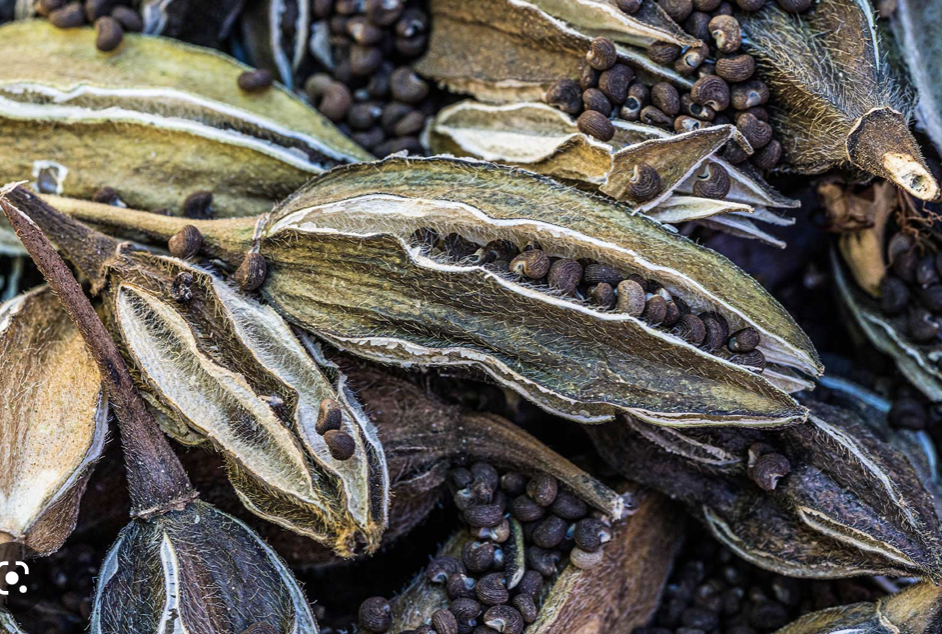
Musk from plant sources has become increasingly popular in natural perfumery. Musk’s most common plant source is the ambrette seed, which has a sweet musky aroma; it is called the seeds of Musk. However, it is possible to use other plant sources to build musk accords and provide the same olfactory enchantment and perfume-lasting quality. 
Plant-based Musk has a different aroma than animal-based Musk but still adds depth and complexity to perfumes. The olfactory specifics of botanical musk depend on the source of the Musk. For example, when ambrette seed musk has a sweet and musky aroma, angelica root has a spicy facet. Plant-based Musk is often combined with other natural perfume ingredients to create unique and complex accords. 
 
What does botanical musk accord bring to a natural perfume?
Using plant-based Musk in natural perfumery has opened a new world of possibilities for perfumers, allowing them to create unique and sustainable fragrances. It ignites the perfumer’s creativity and adds another dimension to a natural perfumed composition. Moreover, it is a source of inspiration for noses. In a natural perfume, musk accord brings a feeling of softness and comfort, a deep, reassuring sensation.
This olfactory family is addictive and comforting: people who wear a perfume containing Musk feel a sense of serenity as if they were in a cocoon.
A long-lasting trail: in the composition of a perfume, the molecules contained in botanical musk accord play the role of fixers, which makes it possible to prolong the « sillage » of scents. The musky notes become binders between the various elements of the agreement and bring roundness and sensuality. Popular in women’s and mixed fragrances, we can use Musk in the base notes of compositions for those properties and its delightful character.
 
How to Compose Botanical Musk
Composing botanical musk requires a deep understanding of the different plant sources of Musk and their olfactory components. Perfumers must also have a keen sense of the other natural ingredients used in perfumes and how they interact with each other.
One way to learn how to compose botanical musk is through a masterclass. A masterclass is a great way to gain valuable knowledge and mastery from an experienced perfumer. In a masterclass, participants learn about the different plant sources of Musk, their olfactory properties, and how to combine them with other natural ingredients to create unique and complex accords and natural fragrances. Creating your signature musk accord is a must for a natural perfumer and a secret formulation that make your natural fragrances outstanding while being sustainable and from plant sources. 
If you’re interested in learning how to compose botanical musk and want to take your natural perfumery skills to the next level, then a masterclass is the perfect way. Stay tuned for more information about our upcoming masterclass, where you’ll learn from experienced perfumers and gain hands-on experience in creating natural perfumes.
 
By learning how to use plant-based Musk in perfumes, you’ll be able to create unique and complex fragrances that are both sustainable and ethical.
So, join us for our upcoming masterclass on June 5 and take your natural perfumery skills to the next level!   Botanical Musk Accords Master Class

8 markers for buying and using a quality essential oil

8 markers for buying and using a quality essential oil

Essential oils are natural products used by different industries, among which stand out pharmaceutical and food industries.
Due to the variability inherent to all-natural products and growing problems of adulteration, the 8 marker points listed below aim to draw attention to the main criteria determining the quality of an essential oil. Purchasing and using a quality essential oil have a strong impact all along the production and consumer chain.
From respect of the producers work to the impact upon human health, it is vital to be vigilant in what you purchase as a natural perfumer, therapist and consumer. 

1. What are the quality criteria?
The quality criteria of an essential oil are established after in-depth analysis which certifies compliance with standards well established by AFNOR (body for the development of French, European and international standards) which is based on chemotypes (its biochemical ingredients), its density, appearance and odor. 

2. What are the regulations around the world?

  • AFNOR (Association Francaise de Normalisation) Their « New Approach » provides directives and standards for members of the European Union states to facilitate intra-community trade. All companies wishing to exchange goods within Europe are therefore obliged to comply with their directives. For essential oils, they provide guidelines and information on various topics including determination of water content, chromatographic profiles, determination of acid value, content of phenols, etc.
  • ISO (International Organization for Standardization) Their mission is to promote the development of standardization in the areas of intellectual, scientific, technological, and economic activity. For essential oils, they provide guidelines for packaging, conditioning, storage, labeling, sampling, testing, etc. ISO also provides, for a fee, quality standards for individual essential oils.

3. What technical documents prove the quality of an essential oil?
Each batch of essential oil (the batch number must be written on each bottle) has technical documents certifying that the product meets compliance criteria certified by a specialized analysis laboratory. Be sure to find it on the brand’s website or ask for the essential oil analysis sheet if you want more transparency about the quality of your product. More and more brands clearly display this data on the product sheet of their website.

4. What quality tests are essential oils subjected to?
Essential oils are subjected to in-depth analyzes in specialized laboratories for this purpose.
• Gas chromatography to map the precise chemical identity of the essential oil and display all of its chemotypes.
• The hydrometer to measure the exact density of the essential oil.
• The rotatory power makes it possible to demonstrate that the essential oil is pure and natural with reference to AFNOR standards.
• The flash point to measure the flash point and check if the essential oil has not been « diluted » with a vegetable oil or a less natural solvent.

5. Is there a market price?
The market price is dependent on tariff fluctuations which are frequent because they depend on criteria linked to various external constraints like any agricultural raw material. Among these, we note the following:
• The seasonality which is essential to obtain favorable prices during the harvest period.
• geopolitics or crises that can ignite the price of local raw materials.
• Quotas decided for ecological reasons (eg rosewood in Brazil).
• the climate which can be devastating or on the contrary help to produce an exceptional crop quality.
• the “fad” phenomenon which can fuel certain venalities or a rise in prices due to excessive consumer demand.

6. What does « 100% pure and natural » mean on the bottle label?
This mention often written on the labels of the bottles of essential oil means that this one has not undergone any transformation and that it is not diluted, not rectified, not deterpenated, not rectified (100% pure) and that it comes from a « natural » raw material (the plant).

7. What are the mandatory inscriptions on the label of a bottle of essential oil?
• The best before date or expiration date after opening
• Chemotypes or the essential oil identity card. The main 3 must be listed as ingredients.
• The full botanical name in Latin of the plant
• The origin or provenance of the plant
• The plant organ used to obtain the essential oil

8. What can impact the quality of an essential oil? 

  • Plants: The quality of essential oils can be negatively impacted by the use of pesticides and other chemicals, the variability in altitude, soil conditions and rainfall, and the difficulty of differentiating plant species and varieties.
  • Processing: Because of the growing popularity of essential oils and aromatherapy, there are many products on the market that may not be suitable for clinical use. They can be found nearly everywhere, from health food stores to discount stores to the Internet. These products may include pure essential oils, but sometimes they are adulterated or diluted. Such adulterations are difficult to identify.
  • Packaging and handling: Other considerations include packaging, storage, and handling. Chemical degradation can occur with exposure to heat, light, or oxygen. Essential oils from citrus products are especially prone to oxidation that can quickly alter the chemistry of those essential oils.
  • Storage: Essential oils should be stored in tightly closed, darkened glass containers in a cool place to ensure lasting quality. Oxidation rates vary, but most essential oils can be safely used for up to 5 years or more after opening. Only citrus essences can have faster oxidation rate compared to essential oils extracted from other plants. 
8 markers for buying and using a quality essential oil

In a world where essential oils can be purchased in large food stores and products can be sold such as this while this is not at all… Caution is definitely required and this is what you are going to learn through the French Natural Aromatherapy course starting on February 7th.

Woods, resins and childhood memories

Learn Extraction Methods

The arrival of winter brings to mind old memories of my childhood spent in Eastern Europe, precisely in Slovakia, in a small village surrounded by changes and woods.
The days were cold, wet and short. When evening approached, my grandmother, a woman already old and consumed by work, even when she was young, used to prepare strong black tea with spices. with just a drop of honey. She made us sit around the table telling us fairy tales. I vividly remember those moments: the wood crackling in the old stove, the smell of the cast iron top heated by the flame. Grandmother used to put on the stove some oranges or mandarins that perfumed the room and grains of incense, which slowly melted creating an olfactory background to the stories. Along with the love for roses, my grandmother also transmitted to me the love for these smells that for me are always associated with the traditions that revolved around the winter solstice, the day I was born.
Many years later I had the opportunity to meet a person who travels the world in search of new and special raw materials. I call him the Indiana Jones of incense. In addition to researching these raw materials, he teaches indigenous peoples how to extract them to create a sustainable production cycle. Together with him and through his acquaintances, I had the opportunity to discover new essences.

Woods and resins

Returning to us, I have always been fascinated by this mix of aromas that accompanied my childhood. I’ve always looked for the best way to catch them.
Living part of the time in the country house, the most used material to heat it is wood. Some of the essences have strongly perfumed woods, while others, after a period of seasoning, acquire particular aromatic nuances. Among my favorites that I often use in alcohol extractions are lime, acacia, pine, larch, magnolia. They are woods that are easy to manipulate and shred or you can buy shavings or sawdust as waste material in sawmills. The wooden material (small pieces, sawdust, shavings, twigs) I let them dry then I proceed with extraction with alcohol in the form of dye. I leave the material to macerate for several weeks, sometimes for months because from my personal experience, the aroma of the final extract is richer and fuller.

Woods, resins and childhood memories

There are two other kinds of wood that I love to use: two species of oak Quercus Petraea and Quercus Robur
Both are easy to find. I collect the fallen branches, let them dry, grind them and then I toast them in the oven to enhance their woody, smoky and spicy aspects.
Resins such as various types of incense, myrrh, balms are readily available. They are odorous substances of vegetable origin, insoluble in water but often fat-soluble and of high molecular weight. Some of them are exudates, while others are an integral part of the tissues of the plant itself. They have various chemical compositions and can occur spontaneously or due to stress.
They have very distinct olfactory profiles and can add warm or cold aspects to a blend depending on the raw material used. They give depth, sometimes a dark and mysterious character, they can serve to anchor the other essences in a blend. The resins may be extracted by distillation, extraction with solvents such as, for example, alcohol that is easy to perform even at home. A very particular extraction process is to capture the smell emanating from a resin if burned or heated. 
To discover this method and others, I invite you to enrol in the raw material extraction course where different techniques and different raw materials are dealt with.

Interior Christmas Perfume

Prepare an Interior Christmas Perfume
Different spices are also part of our daily life. I must confess that I don’t extract most of them directly, only some particular spices such as certain types of pepper, wild carrot seeds and mace, the shell that covers the nutmeg seed.
In the winter I prepare an alcohol-based Interior Christmas Perfume, a mixture composed of:
20g of cloves
10g part of cinnamon
Zest of an orange
Some eucalyptus leaves
3/4 bay leaves
1 sprig of rosemary
1 nutmeg
1 tonka bean
10 drops of fir essential oil

All the dry material is crushed in a mortar, poured into a glass container and covered with 300 ml of alcohol. The container is left to rest for 2 weeks, shaking it frequently. After two weeks, the content is filtered and is ready to be used to perfume the rooms, Christmas decorations or doormats in front of the house. It is an old recipe from my grandmother who instead of alcohol boiled all the material together but for easy storage, the formula was reworked with an alcohol base and with the addition of some raw materials.

Raw Material Methods Extraction and Olfaction Training

Hunting for strange and unusual new materials

THE POWER OF THE RAW MATERIAL AND THE ART OF REDISCOVERING THE ORIGINS OF NATURAL PERFUMERY.
A sentimental introduction to the extraction of raw materials
by Andrej BABICKY,

IPF Chairman Italy,
Raw Material Methods Extraction and Olfaction Training Expert

There are plants from which we are not surprised that essential oil or an absolute is extracted. Their use is understandable due to their aromatic properties: think of a rose, jasmine, basil, etc. They are « obvious » raw materials. They have now become fundamental in a perfumer’s palette. But there are also those which we will not immediately think could be used. I love these, curious and sometimes even strange essences.

Pr. Andrej Babicky
Pr. Andrej Babicky

I live in an area of Italy, Piedmont, in a small town surrounded by woods and fields.
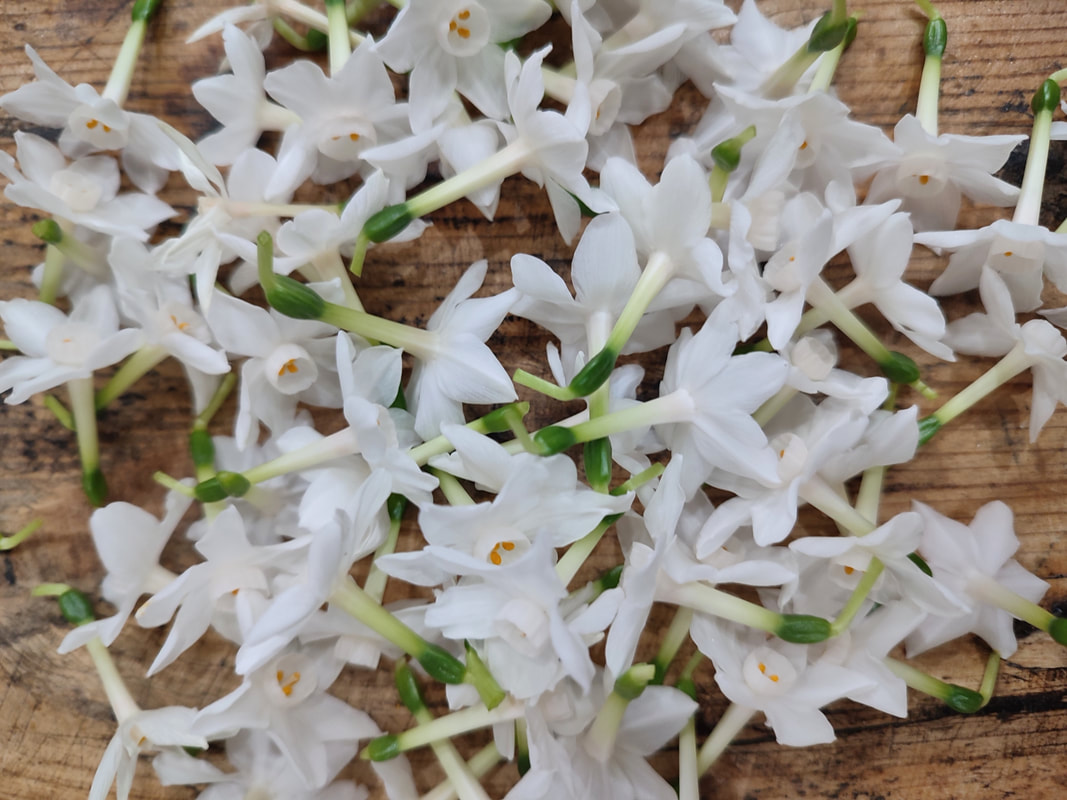
In the garden, I cultivate ornamental plants for the pure pleasure of their flowers or their leaves but also other, perfumed, to extract their fragrance: different varieties of roses, aromatic herbs, daffodils, hyacinths, chrysanthemums, lilacs, tetradenias and much more. I love the explosion of colours and scents of the garden in spring, but I also love the quiet of autumn. The garden is slowly falling asleep. These are the moments that lead me to look beyond the hedge, to return to take long walks in a bare landscape immersed in the usual fog of the area. These are moments of calm and intentional solitude in which I can contemplate the passing of the seasons. These are also times in which I start looking for seasonal fruits and berries, or new plants to extract; something different, new to fill the tincture jars with.

Not all the extractions I do, I then use in perfumes. Some remain closed in their containers for some time, even years, before I can find the right use. But I often extract for the sheer pleasure of experimenting and exploring.

Raw Material Methods Extraction MasterClass

Autumn is the season of mushrooms that can be used to expand our palette of essences.
Think of their damp mossy smell, of undergrowth, of fallen leaves wet from the rain. Think about how nicely these nuances can expand those of the woods and barks. Different varieties are used in cooking or cosmetics that we can use too. Porcini, chanterelles, field mushrooms, honey mushrooms and many more. Each with their olfactory peculiarity. 

chanterelles

I discovered chanterelles by chance. Their orange colour stands out on the ground, single or in clusters camouflaged among the fallen leaves.
The characteristic that struck me is their taste and aroma that somehow recalls that of apricot with wild nuances. Mushrooms can be dried and then used in tinctures.
To my surprise, I found some woody mushrooms. Doing some research, I found out that it is the Ganoderma species. They are known for their medicinal properties. Some are easily recognizable and rather easy to find. They are lignicolous, annual or multi-annual fungi of brown, ocher, or reddish colour with a lighter underside. They are parasites and saprophytes. They can be found on both deciduous and coniferous trees.
Their scent immediately refers to that of mushrooms in general but once dried it takes on a darker, richer woody profile. Sliced when still fresh and left to dry in the air for a few days, they can be used in tinctures.

How could we forget about the truffles? They constitute a precious and sought-after food essence. Their scent, so penetrating and distinctive, develops only after ripening and to attract wild animals to spread the spores and perpetuate the species.
The truffles were already appreciated in ancient times. Aphrodisiac properties were ascribed to them. For some, their aroma, during the period of the Middle Ages and the Renaissance, contributed to the ecstatic effect on man.
Although relatively rare and expensive, truffles can add a distinctive earthy, musky, moist, somewhat nutty and dark chocolatey undertone. A small amount is enough to give a new dimension to a fragrance.
The leaves, which in this period are tinged with bright colours, can represent an interesting raw material. Have you ever rubbed the nearly dry leaves of walnut or cherry in your hands? Have you ever smelled it? While walnut leaves may be difficult to work into a final composition due to their ability to dye, cherry leaves have a delicately fruity hay scent. I especially love the oak ones that I extract both in spring and autumn. The young ones have a bitter, warm, lively and intensely green scent while those at the end of their life cycle give me the sensation of wood warmed by the sun, the scent is more dense, mysterious, rich with earthy nuances.
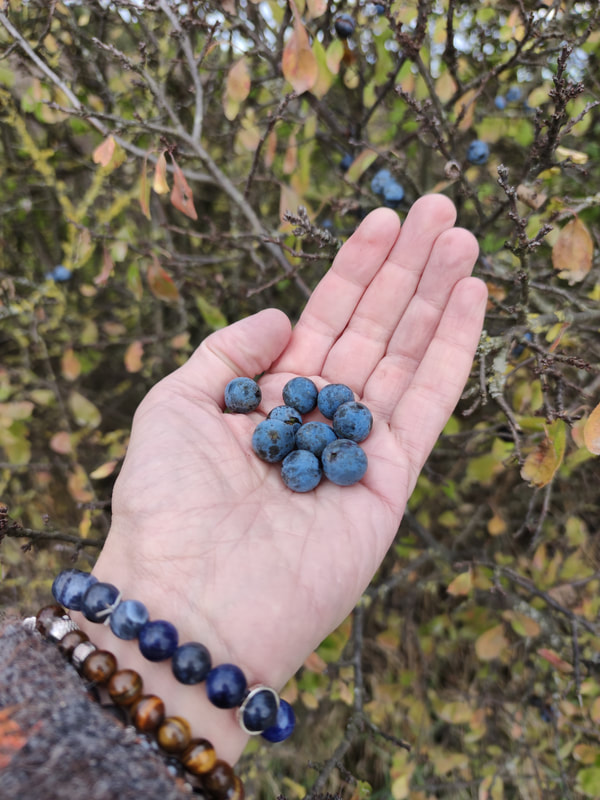
During one of the walks, I had by chance browsed among the shrubs of Amorpha fruticosa in search of mushrooms.
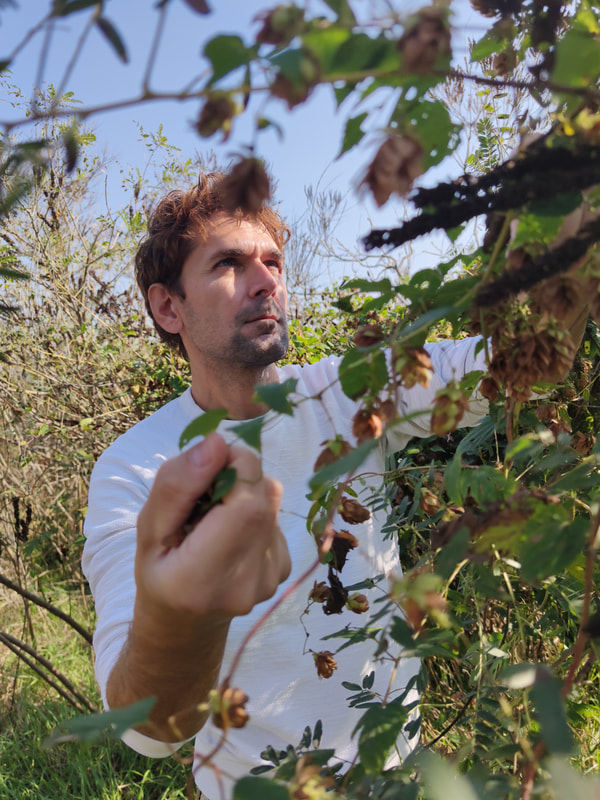
I still remember today the pungent, resinous, warm, and intense smell that remained on my hands while I was trying to make my way through the shrubs. I did not immediately connect the smell to that of the plant to which I had not paid much attention before. I was very surprised when, by exclusion, I was able to link the odour to this species and after some research on toxicity I started the first extraction experiments. It is a North American plant that grows spontaneously around the house. In the past, it was used to produce dye for fabrics and ornamental purposes. With time and abandonment of cultivation, it became wild and invaded roadsides, riverbanks, and the fields. It is one of the most invasive species in Europe. Its seeds have a curious olfactory profile: herbaceous, aromatic, vaguely urinous with hints of spicy accents that remind me of the seeds of some Apiaceae. The leaves also have a characteristic scent, strongly aromatic, resinous, warm and different from that of the seeds. The same plant offers two interesting and unusual raw materials.

Among my favourite fruits, not so much for the taste, but for the smell, is the quince.
My grandmother used to put some in the closet. Their scent mixed with that of wood, bunches of lavender and fabrics, creating an intense and rich aroma. The fruit, cut into thin slices and dried, creates an acidulous, unusual, pleasantly juicy and liqueur-like tincture with green, herbaceous and vaguely floral nuances.
 
Mahonia plants are also covered in dark blueberries this season. Their sour taste is reminiscent of that of unripe grapes. The fruits, berries with a floury consistency, can be easily dried. I use them to create a sour-scented, wild berry tincture that adds a pleasant fruity hue to the rose.

An unusual natural perfumery raw material
Hunting for strange and unusual new materials

Think of what nature offers around you in this period: pumpkins, berries, roots, tree bark covered with moss, lichen, mushrooms, seeds, pine cones covered with resin, leaves and flowers.
Sniff them, taste them, rub them in your hands. Do you smell them?
Can you imagine it in a fragrance? Sometimes you just need to look around.
Autumn is a magical season for this too: nature is preparing to conclude a cycle, to fall asleep until spring, but for us, it may be the right time to awaken our sense of smell. Let us be guided by the nose to discover new smells around us.

Follow a Natural Olfaction Training Course or a Raw Material Extraction Method Course with Pr. Andrej Babicky