A New Course in Equine Aromatics for Riders, Trainers, and Horse Lovers.
There is a quiet intelligence in the horse that every rider comes to recognize. Before the rein is shortened, before the leg gives a cue, before the body speaks, the horse has already felt the room. It has read the breath, the tension, the intention. Horses do not respond only to movement. They respond to presence. To atmosphere. To the invisible language that surrounds them.
This is what makes scent such a remarkable bridge between horse and human. For centuries, horses have lived close to the aromatic world of plants. Wild herbs under hoof. Resin in the wind. Dry grasses warmed by the sun. Bark, roots, leaves, and blossoms carried through the landscape. Long before modern stables, horses knew nature through scent, and still today, their instinctive relationship to aroma remains deeply intact.
A horse does not analyze fragrance. It senses it, it chooses. it reacts, and it remembers. Aromatic botanicals can influence the equine nervous system with surprising subtlety. Certain scents may encourage calm in moments of tension. Others may support focus before work, ease transitions during retraining, or help create a more harmonious atmosphere in the stable. For sensitive horses, scent can become a language of reassurance. For performance horses, it can support concentration, confidence, and emotional balance.
This is not about perfume for horses. It is about understanding the horse through its most instinctive sense, and learning how botanicals can be used with intelligence, precision, and respect. For riders, trainers, and caretakers, this opens a new dimension of communication. One that does not force, but invites. One that does not dominate, but listens. When used correctly, scent becomes part of the environment around the horse—supporting wellbeing, trust, and connection. This course was created for those who wish to work more intuitively and more consciously with horses. For those who understand that performance begins with regulation. That trust shapes response. That true horsemanship is not only physical, but emotional, sensory, and deeply relational.
Whether you work in dressage, rehabilitation, retraining, therapy, or daily stable care, the intelligent use of botanicals offers a refined and natural way to support the horse’s wellbeing while deepening the quality of your relationship.
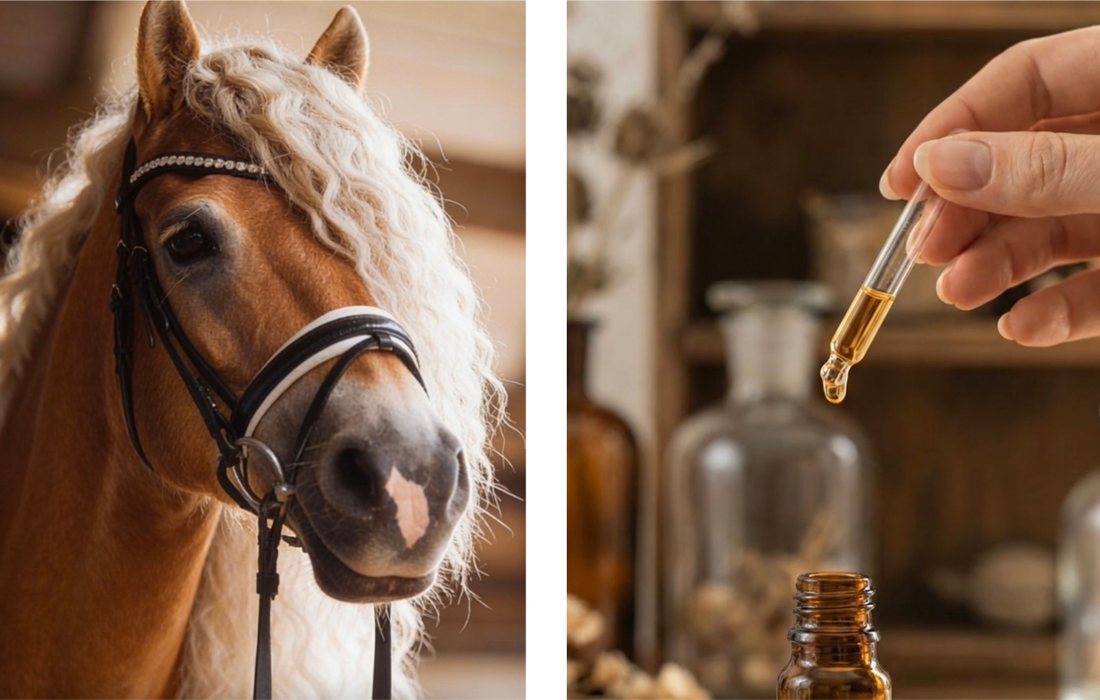
Discover the art and science of using essential oils to support the emotional and physical well-being of the horse. Scents Loved by Horses explores how thoughtfully selected botanicals can be incorporated into training and daily care to encourage calmness, improve focus, support retraining, and enhance performance. Students will learn the principles of safe aromatic application, the horse’s instinctive response to scent, and the foundational techniques for crafting their own individualized equine blends.
What if the most meaningful gift wasn’t another object—but better health?
From Flowers to Well-being in a Changing Consumer World
Beginning in February there are a series of five US holidays in a four-month period that contribute a huge percentage to retail florist’s annual sales. This is important because florists sell flowers which, in a marketing sense, is similar to those selling the essences of flowers. Here is a breakdown of those five holidays this year with their dates and how they rank among all yearly holidays:
February 14 Valentine’s Day #1 March 8 International Women’s Day #7 April 5 Easter #6 May 10 Mother’s Day #2 May 25 Memorial Day #5
These five holidays represent as much as 60% or more of total annual sales for retail florists and are opportunities to sell your health-related natural essences (and/or gift cards) to consumers who generally consider health a top priority in 2026.
Key 2026 consumer concerns include: Mental Health: Mental health remains a top priority. Stress, anxiety, and sleep issues remain major concerns for consumers. Why is this important for those selling natural essences? Because we have products that not only can help with these important issues but can also be natural alternatives to strong pharmaceuticals, not to replace strong medication necessarily, but to help prevent consumers from having to take them in the first place. Value and Quality: Consumers’ budgets are currently thinner when it comes to anything they want but don’t need, so you should develop marketing and sales strategies to convince them they need your products for their good health for a lifetime. Human and Natural Connections: Despite digital and virtual adoptions, consumers are still worried about the erosion of the Human Connection and are increasing looking for natural options in the products they purchase, so make sure your website, your products and all forms of communication with consumers reflect your commitment to balance technology with nature and humanity.
Here’s what a major US retail said about today’s consumer focus on health:
« We see a broader shift towards holistic health as consumers recognize that health is multifaceted, encompassing not just diet but also lifestyle and overall well-being. We also know that consumers are increasingly looking for ways to integrate health and wellness into all aspects of their lives. Since diet, lifestyle and overall well-being are top of mind, brands and retailers that recognize and respond to this comprehensive view of health will be better positioned to meet the evolving needs of their customers. »
Take advantage of these coming holidays to get the message out that giving gifts of health will provide wellness benefits to their loved ones while helping them Reconnect with Nature.
SCENTS AND SELF – THE HEALING JOURNEY
Natural Aromatherapy – The Ultimate Reconnection to your Body. It was through various personal life experiences that I gradually became more aware of certain health conditions I was facing – and how they were not just influenced by genetics, but also profoundly shaped by the environment around me. In our families, we learned traditional remedies passed down through generations. Some of these practices continue to prove their value, while others have been labeled as myths or dismissed by modern science. Yet, we now find ourselves in a time when people are increasingly seeking to reconnect with Nature, and through this reconnection, we are rediscovering profound truths about our bodies, our emotions, and our inner world. This renewed relationship with the natural world is offering us a key: a deeper awareness of what is really happening in our bodies and how to begin healing – physically, emotionally, mentally, and spiritually.
Science is also beginning to recognise the value of traditional healing practices, acknowledging their purpose, effectiveness, and the ancestral wisdom behind them. These remedies have been tested through generations, rooted in the millenary knowledge of ancient civilisations dedicated to agriculture, herbal medicine, alchemy, and holistic healing. Today, with greater knowledge of allergens, hormone disruptors, phthalates, phenols, and other harmful ingredients, we are becoming much more selective. We are more mindful of the products we use, the medicines we take, and the therapies we choose – seeking those that are in alignment with our individual health, values, and well-being.
I have been observing a new market trend for selling scents for public spaces or for homes. Personally, I do not enjoy going to businesses that have a very concentrated scent that persists all day with the same intensity. There is no story behind the scent, there is no other intention aside from showing off the scent and getting overwhelmed.
Be mindful about businesses who sell space-aroma-kits which do not show the kind of ingredients these scent products are made of and whether they will provide some therapeutic function or not, or whether they would need to be contraindicated to certain populations. In many of the cases, companies who sell Space Aromas are doing it for aesthetic purposes and for defining companies or organisations brand identity only. They are not precisely interested in people’s health. This is not Aromatherapy, even though it is marketed by that name.
At The International Perfume Foundation (IPF), we use the term « Natural Aromatherapy » to clearly distinguish our practice from conventional « aromatherapy. » We believe that “true aromatherapy” must be practiced using only high-quality essential oils that are ethically extracted from natural sources. This means: • No synthetic ingredients • No pesticides • No GMOs • No synthetic fragrances or isolated compounds • no phthalates, no parabens • No Phenoxyethanol • No Glycols • No Ethoxylated compounds
Natural Aromatherapy, as IPF defines it, works exclusively with Nature’s purest ingredients: ethically sourced essential oils, floral waters (hydrosols), organic ethanol alcohol, cold- pressed vegetable carrier oils, oil macerates, and natural vegetable glycerin, among others. Through our Natural Aromatherapy Certification Course, you will begin a powerful journey of self-healing, guided by an IPF Certified Natural Aromatherapist. You will learn to understand the body’s systems holistically and how to support them using the therapeutic power of essential oils in meaningful, targeted applications.
This is not just a course about blending oils – it’s about learning to understand your body and the relationship of plants and essential oils in your health. This practice will give you a deeper connection with your own self and Nature, by exploring Nature’s medicine cabinet offering support for physical, emotional, mental and spiritual healing. By the end of your journey, you will hold the keys to true holistic healing – grounded in Nature, supported by Science, and guided by ancestral knowledge. Whether you’re a professional seeking new skills or someone on a personal wellness journey, this course is a gateway to transformative self-care and professional practice.
The Natural Aromatherapy Certification Course is one of the three core courses required to become a Certified Natural Perfumotherapist – a professional who blends the art of natural perfumery with therapeutic applications for health and well-being. You are welcome to learn more about your pathways to become a Natural Aromatherapist, Natural Perfumeror a Perfumotherapy through IPF.
The World of Perfumotherapy
Welcome to the World of Perfumotherapy, where art and science intertwine to create a sensory experience like no other. Perfume has been a trusted companion throughout history, supporting us in various aspects of our lives. In this updated course on Perfumotherapy, we delve deeper into the world of olfaction, exploring the power of our sense of smell and its impact on our emotional well-being. Join us on this fragrant journey as we discover the uniqueness of a beautifully crafted scent.
Understanding the Heritage of Perfume Perfume has a fascinating heritage that stretches back centuries. From ancient civilizations to the modern world, perfume has been an integral part of human culture. In ancient Egypt, perfumes were used for both religious and cosmetic purposes, and the art of perfumery was highly esteemed. The Greeks and Romans also embraced fragrance to enhance their personal grooming rituals and as offerings to the gods. Over time, perfume evolved toward luxury and medicinal purposes with pomanders, vinegars, and other applications.
The Science Behind Perfumotherapy Perfumotherapy is not just about the art of creating beautiful scents; it is also rooted in science. Our sense of smell is closely linked to our emotions and memories, making perfume a powerful tool for enhancing our well-being. When we inhale a scent, it triggers a response in our limbic system, which regulates emotions and memories. This connection between scent and emotion is why certain smells evoke strong feelings or transport us back to a specific time or place. Scientific studies have shown that certain scents can profoundly impact our mood and overall well-being. For example, lavender is known for its calming properties, while citrus scents like lemon and orange can uplift and energize. By understanding the science behind Perfumotherapy, we can harness the power of scent to create positive changes in our lives.
The Benefits of Perfumotherapy Perfumotherapy offers a multitude of benefits for our overall well-being. The power of scent to evoke emotions and memories can be harnessed to reduce stress, improve mood, and promote relaxation. Certain scents have been shown to enhance cognitive function and improve focus and concentration. By incorporating Perfumotherapy into our daily lives, we can create a sanctuary of scent that supports our emotional and mental well-being. Whether wearing a favorite perfume, diffusing essential oils, or creating our custom blends, Perfumotherapy offers a holistic approach to enhancing our daily lives. As consumers look for ways to enhance serenity in their daily lives, it is crucial to incorporate that dimension into any natural perfume composition. Therefore, a wide array of applications are available in Perfumotherapy, from conventional use to home scents, personal care, and cosmetics.
The Updated Course on Perfumotherapy This updated course on Perfumotherapy takes a comprehensive approach to exploring the world of fragrance. From the heritage of perfume to the science behind its therapeutic effects, this course offers a wealth of knowledge and practical skills. Participants will be able to learn from experienced perfumers and industry experts, gaining insight into the art of perfumery and its applications. Through theoretical lessons and hands-on workshops, participants will develop their olfactory skills and learn how to create their unique scents. So why wait? Join us on this fragrant journey and discover the transformative power of Perfumotherapy. The Perfumotherapy curriculum includes an Olfaction Training course, a French natural Aromatherapy course, a French Natural Perfumery course, and four unique complementary modules. Read all the details here. The session opens each first Monday of the month. Enroll now for the February 5 session. Multiple payment plans are available.
THEIR IMPACT UPON MIND, BODY & SPIRIT
Perfume has always been more than just a catalyst for emotions; its impact extends beyond mere pleasure and sentiment, encompassing the health of our bodies and vital energies. While modern society tends to limit perfume’s significance to pleasure and emotional wellness alone, it is crucial to expand our perspective. Odorant molecules can subtly influence each body system through the olfactory and cutaneous pathways, making perfume a powerful tool for holistic daily well-being. As a Master Natural Perfumer, aromatherapist, and Naturopath with over 26 years of practice, I have witnessed the profound effects of olfaction and perfume firsthand upon the body, mind, and spirit, leading me to create numerous botanical perfumes for international brands, whether in cosmetics home or for fragrance use.
By embracing botanical perfumes crafted with natural and organic ingredients, we can reconnect with nature and harness their healing properties. These perfumes benefit us personally and contribute to a more sustainable and eco-friendly approach to fragrance.
So, let us venture into botanical perfumes, exploring their positive effects on our body, mind, and spirit. By embracing this holistic approach to fragrance, we can enhance our well-being and cultivate a deeper connection with the world around us.
Perfume’s Historical Significance Throughout ancient civilizations, perfume was employed for its therapeutic properties, addressing various ailments of the body and mind. It was more than just a pleasant scent; it was a form of medicine. For instance, perfumes were used as incense, pomanders, and aromatic vinegar to protect the body from miasmas. These fragrant materials, made only with natural herbs, oils, and plant essences, were revered as medicinal support. For instance, herbs, crushed resins, and spices like clove, myrrh, cinnamon, and agarwood were commonly used and known for their antibacterial properties.
In addition to its medicinal uses, fragrance played a vital role in spiritual and religious practices. Perfume oils and incense facilitated a deeper connection with the divine and promoted introspection. Burning incense made one feel closer to the divinities, and the smoke of frankincense, myrrh, benzoin, agarwood, guaiac wood, and sage, among others, were considered portals to the higher self and raised consciousness. Perfumes have long been associated with sensory pleasure, enhancing seduction, and captivating our senses. Opulent and narcotic flowers, such as tuberose, rose, narcissus, champaca, davana, and ylang-ylang, were the perfect assets to attract and seduce a loved one. These scents were known to raise libido and desire, reflecting the cultural preferences of their respective countries.
Moulin à Parfum – France 18th century – Collection Creezy Courtoy – Future Perfume Museum
The Role of a Natural Perfumer: Reconnecting with Ancestral Heritage As we delve deeper into the interconnectedness of our internal systems and the profound effects of natural essences, it becomes evident that the role of a natural perfumer is of utmost importance. A natural perfumer should master the properties of these essences and harness their potential to benefit our well-being. By understanding the therapeutic properties of various botanical ingredients, a natural perfumer can create fragrances that please the senses and promote physical and emotional health.
By reconnecting with our ancestral heritage, a natural perfumer brings the wisdom of ancient cultures to today’s urban life and consciousness. They honor the traditions and practices of our ancestors, infusing their creations with the knowledge passed down through generations. Natural perfumers use natural ingredients and sustainable practices to ensure their fragrances benefit individuals and contribute to the planet’s well-being.
The Olfactory and Cutaneous Pathways When it comes to the power of scent, there is no magic involved. The real magic lies in the composition and artistry of perfumers. When we inhale scent molecules, they interact with our olfactory receptors, triggering brain reactions. Specifically, these reactions occur in the limbic system, which is responsible for our emotions and memories. Through this intricate anatomical and neurological connection, we discover the direct relationship between inhaled odors, memories, feelings, and their influence on our behavior and well-being.
The olfactory information, carried by neuro-electric signals, travels from the olfactory bulb through the olfactory tract and into the limbic brain. This information is divided into three circuits, leading to the hippocampus, the amygdala, and the septal nucleus. However, the hypothalamus plays a crucial role in various body functions as it controls the vegetative nervous system, the endocrine system, body temperature, hunger, thirst, and the sleep cycle. It performs these functions by processing stimuli from the peripheral, thalamus, cortex, and limbic systems. Additionally, the hypothalamus regulates the pituitary gland, which stimulates other endocrine glands such as the thyroid, parathyroid, adrenals, pancreas, and gonads. These glands produce hormones and cellular messengers, creating or modifying our physical and physiological behavior. Therefore, inhaling a natural fragrance sets off a complex biological pathway that ultimately leads to a shift in our behavior due to a chain of chemical reactions.
The Influence of Skin When we think of perfume, our minds naturally gravitate toward the sense of smell, often neglecting the significance of our skin. However, perfumes were traditionally applied directly to the body for a reason. The heat of our skin allows the fragrance to develop and disperse in a beautiful sillage. At the same time, its pH level, whether acidic or not, enhances the development of specific fragrant notes and facets.
Moreover, how scents applied to our skin can affect our overall well-being and vital energies is noteworthy. When perfumes are applied to the skin, they permeate the epidermis layers, facilitating direct absorption into the bloodstream. As a result, these fragrances can influence the body’s physiological processes. So, how do we highlight the importance of the relationship between the skin and the brain?
Firstly, these two organs share the exact embryological origin. On the 21st day of embryo development, the outermost cell layer gives rise to the nervous system and the epidermis. This shared origin explains the similarities between skin cells and neurons. The skin can be metaphorically described as a « second brain » or an « extension » of the encephalon. This connection between the skin and the brain emphasizes the profound impact that scents applied to our skin can have on our overall well-being and state of mind. It showcases the intricate interplay between our sensory experiences, memories, emotions, and the physiological responses within our bodies. Understanding and appreciating these relationships can enhance our appreciation for the art of perfumery and the transformative power of scent.
The Multifaceted Effects of Odorant Molecules Scientific research has extensively studied the positive impact of natural essences on our psyche. At the same time, aromatherapists have recognized the critical role of essential oils in our body system and energetic anatomy. However, to fully comprehend the potential of other plant extracts, such as absolutes and CO2 extracts, it is crucial to understand the biochemistry of these natural essences. This knowledge is not only valuable for aromatherapy products but also for natural perfumes.
Natural essences and extracts, as specific biochemical molecules, are integral to the identity of plants. These molecules can stimulate neurotransmitters, influencing mood, stress response, and cognitive functions. Various biochemical families, including monoterpenes, monoterpenols, aromatic aldehydes, and oxides, have been identified to impact vitality, happiness, and uplifting mood. The complexity of a plant’s effectiveness arises from the totality of its composition and the interactions between each plant component.
Scientists are continuously discovering and unveiling essential information about the role of specific aromatic molecules on neurotransmitters, such as linalool’s impact on dopamine and serotonin. Although the subject is complex, it represents the future of alternative medicine. Several studies have reported increased dopamine levels in different brain regions, particularly the striatum, after exposure to linalool. Furthermore, the anxiolytic action of several essential oils rich in linalool is associated with the dopaminergic domain. This increase in dopamine levels partially explains linalool’s anxiolytic action, as dopaminergic activation impacts pituitary activity and may directly or indirectly influence the level of ACTH. Research has shown that linalool decreases cortisol levels in the body, which is associated with reduced stress. Modulating cortisol levels could regulate pressure and limit its adverse effects.
Endocrine System Influence Perfume molecules can interact with the endocrine system, regulating hormone production and affecting overall well-being. However, it is essential to note that certain synthetic perfume compounds can also have endocrine-disrupting effects. On the other hand, natural essences possess a complex biochemistry that offers potential benefits. There is ongoing research on plant hormones and their effect on the endocrine system. It is believed that essential oils impact the general endocrine system by mimicking human hormones through the action of plant hormones, also known as « phytohormones. » These phytohormones can help rebalance, stimulate, or calm the endocrine system. Additionally, essential oils can have specific actions on glands. For example, cinnamon and coriander can help rebalance blood sugar levels, while black spruce and pine stimulate the adrenal cortex.
Botanical Perfume: The Bridge of Elemental Nature Between Consciousness Natural essences profoundly affect our inner well-being, extending far beyond what we have previously explored. As a steadfast ally, they have accompanied human beings throughout history, harnessing their subtle powers. As consciousness evolves globally, perfume continues to weave its narrative. Forward-thinking companies have proclaimed that the products of today and tomorrow will significantly impact our soul’s well-being. Perfume, breaking free from the confines of the market and fashion dictated by emotions, reclaims its original purpose. It aligns itself with the essence of life, reconnecting us with the elements of Nature in a genuine and awe-inspiring manner.
Uncertainty looms over the future in a world clouded by a continuous stream of environmental, health, geopolitical, and political crises. This is precisely why an increasing yearning for peace and freedom is a profound call to reconnect with Nature. More than ever, botanical perfume influences our bodies and consciousness. This evolution transcends convention and paves the way for new well-being categories. Perfume reclaims its noble status, bridging the gap between the physical body, its divine essence, and the Divine itself. It carries a sacred dimension that holds profound significance today, drawing inspiration from a harmonious blend of tradition and modernity. The role of the natural perfumer extends beyond creating unique and aesthetically pleasing compositions; it facilitates a genuine and heartfelt reconnection with the power of Nature and the elements. Simultaneously, it awakens the sacred within us, raising our consciousness and transforming our subtle body chemistry.
The Power of Genuine Natural Essences A crucial aspect lies in the natural perfumer’s meticulous selection of high-quality essences. This selection process requires a comprehensive understanding of each essence, encompassing its scientific and chemical properties, medicinal applications, olfactory characteristics, and holistic attributes. Numerous factors influence the quality of a plant’s essence, including its origin, cultivation methods, the timing of its harvest, and the preservation of its olfactory and « medicinal » qualities through appropriate extraction methods (such as gentle steam distillation below 100°C). Furthermore, proper storage in professional-grade bottles at suitable temperatures is paramount. A perfume’s olfactory appeal and well-being benefits depend significantly on the exceptional quality of the chosen essences. Failing to adhere to the steps above will result in essences with diminished olfactory and biochemical profiles, yielding lower-than-expected results.
In today’s world, it is evident that the role of a natural perfumer extends far beyond being a creative artist or a marketer. Their work is significant in our heritage and profoundly impacts our well-being. In recent decades, perfumery has been seen as a blend of creativity and marketing. However, in recent times, the natural perfumer’s role has evolved to encompass much more than just these two aspects. The compositions created by natural perfumers are not merely a way to reconnect with nature. Instead, they are potent vectors for expanding consciousness and promoting overall well-being. Each fragrance composition crafted by a natural perfumer has the potential to awaken our senses and elevate our spirits.
A successful natural perfumer must be aware of the beneficial effects that their compositions can have on individuals. These fragrances can evoke emotions, uplift moods, and provide holistic benefits. The perfumer must understand the intricate relationship between scent and our physiological and psychological well-being. By harnessing the power of natural ingredients, the natural perfumer creates fragrances that smell pleasant while positively impacting the user’s overall wellness.
Are your Skin Care products Effective?
An effective skin care product targets the root of the skin problem. Effective product not only helps to retain clients, but also provides the best marketing results.
Making skin care products is not simply just adding oils and liquids. It involves understanding of some of the terminology, such as anti-inflammatory, anti-oxidant, and anti-septic. One must apply these terms or properties of botanicals in real time and to symptoms on the skin. For example, when one has rashes or hives on the skin, skin care designers need to understand the cause of the problem and determine whether to use botanicals that are anti-inflammatory or anti-septic or both to resolve the skin problem. The best plants to use in skin care are “bio-regional” or plants which grow well in local areas, as these plants live in the same environmental conditions and adapt to counter-balance harsh conditions. It is their adaptations that help local people to stay balanced.
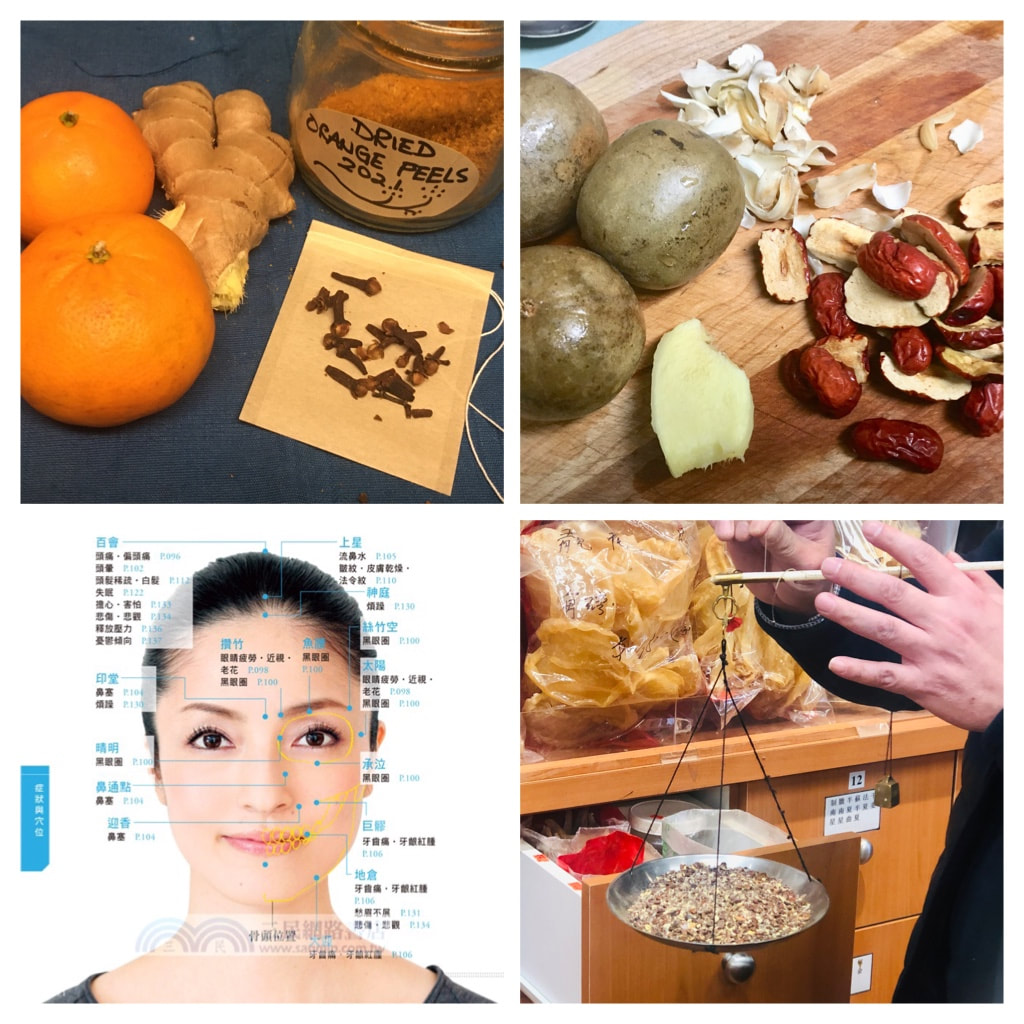
In Traditional Chinese Medicine (TCM), often the problems expressed on the face indicate the root of the skin problem. One learns to read the locations of skin issues and design corresponding care products to resolve the source of the problem. A client asked me to help her with dark bags under her eyes. She was shocked to receive a jar of Epsom salt infused with Wormwood. I told her that making products to “mask” the problem is cosmetology. Masking does not resolve her problem. What she really needs is to sleep well. Wormwood warms up the acupressure points of her feet and Epsom salts “lead” the effects of Wormwood. The combination helps her with her sleep problem, which is the root of the dark bags under the eyes. In TCM, the face is almost a “map” of many underlying issues, such digestive, hormonal and stress.
The beauty of designing skin care products is incorporating traditional herbal medicine including using natural elements, aromatherapy and basic product making techniques. Skin issues may not just be “skin” problems. It is more important to understand the body as a whole to deal with the root or source of problems. Getting to the source eliminates future ‘flare-ups” and provides knowledge for prevention. Skin is not a separate unit but has many organ systems attached to it. Thus, designing an effective product requires knowledge of making proper use of earth’s valuable provisions.
The term aromachology appeared in the 1980s and it describes the science of the phenomenon that links odors to behavior. We became aware at that moment of this subtle and profound power and above all, how it affects our daily life in all its aspects, from the intimate to the spiritual and the professional. For almost 26 years, I have been composing natural perfumes taking this dimension into account because it seems to me to be inseparable from the mission of the natural perfumer. My training as a naturopath has meant that I have also worked all these years with patients and therefore have seen what the positive effects of smell on emotions are. When we understand the role that smell plays on inner well-being, we understand the need to compose a natural perfume and its olfactory quality as well because it acts powerfully on the sensory memory.
The olfactory sense is our most reptilian sense, and it is one of the most powerful because it is linked to our survival. Throughout our lives, we memorize a library of smells that can stay buried for years. The sense of smell is a sense outside the notion of time/space. Therefore, we can have a reaction linked to the very old memory of a person, a place, a situation when we feel a specific scent that reminds us of this. We can even smell so-called “ghost” smells just by reliving this memory. In a fragment of a second we travel in time and in an emotion that we thought had been forgotten.
Smell: a Mental Representation For a molecule to become an odor, a brain is needed. According to Pierre-Marie Lledo, co-director of the Genes, Synapses and Cognition laboratory, our brain establishes olfactory maps from the combination of receptors activated by such and such a molecule. These cards work like a kind of QR code and allow each chemical stimulus to be associated with a mental representation: the smell. The latter is malleable and evolves according to our experiences and our culture.
The first thing we perceive in a smell is its emotional side I either like it or I don’t like it, before we even ask ourselves any other rational question. And if odors awaken in us such clear and intense emotions and memories, it is because the brain areas they activate are intimately connected with those mobilized by emotions: the hippocampus plays the role in long-term memory term: the hard disk that records our learning from the moment we were in our mother’s womb. The amygdala plays a fundamental role in decoding our emotions generated by the different situations of our life. For example, it intervenes in behaviors such as fear, pleasure, or memory. The septal nucleus plays a role in controlling emotions and in feelings of pleasure, it is directly linked to the sense of smell.
Aromachology, a Global Approach to Smell and Feel This intrinsic link between smells and emotions has been questioned by many scientists who have tested its benefits. Some, like Dr. Aubert, say they know that certain smells can elicit emotional responses capable of transiently increasing the release of certain brain mediators such as serotonin, which promotes a positive mood and builds a state of well-being. Therefore, aromachology and products composed of natural plant essences have great power on the inner well-being of the person. This approach can be broken down into different types of products: from natural perfumes with an alcoholic or non-alcoholic base, to perfumed creams and balms for the body, to home fragrances, candles and even incense, to hygiene products and natural cosmetics. The market clearly shows that for two years during the pandemic period, the new consumer has been looking for sensory experiences in addition to product efficiency. They want an immersion in Nature which brings them benefits for their well-being.
Beyond the Knowledge of Natural Essences As a creative perfumer, it is essential to acquire knowledge of the aromachological virtues of natural essences on the psyche since their action on the emotions is proven. This dimension adds to our responsibility as creators towards the consumer. Aromachology stands beyond natural perfumery and a simple pleasant scent and even a trained natural perfumer should be aware of it. Here is how natural essences act by simple olfaction. From their liquid state, by chemical reaction in contact with air, they are transformed into etheric gas. Volatile, by their infinitely small and light molecules, they bring to a quantum level a vibratory frequency which, like the photon, carries information. This information is a natural principle or intelligence of nature which has a function, here in this case properties. Therefore, a natural perfume has a dimension far beyond that of simply “smelling good”; it can be balanced and effective or it can be dissonant because certain raw materials will contradict each other. This olfactory dissonance is often unknown to the natural perfumer but not to the aromachologist. When composing the perfume, we set a clear objective on the result or the effect that is desired. From this, stem the selection of each ingredient that will compose it. Aromachological benefits can be substantiated in marketing materials and product claims. Creating natural perfumes, whatever their final form, requires, in my opinion, a knowledge of aromachology.
Therefore, it seems to me necessary that knowing the olfactory and aromachological qualities of natural essences is essential for a natural perfumer It is obvious that they must master the sensory dimension and the virtues that their perfume will have on the emotions of the consumer.
You can now learn and deepen your knowledge in the new aromachology course which starts on January 9th. It will be taught every first Monday of every month.
I started studying and developing natural skin care over 20 years ago. I work in a Western Medicine field, but I have a strong passion for the wisdom of traditional medicine, especially Chinese Medicine. I strongly believe that there is a harmonious blend of both medicinal fields. In Western medicine, I learned the physical structures of our skin and how the structures relate to one another. However, the traditional medicine focuses on the actions of the botanicals and how our body reacts or behaves to their properties. This knowledge is developed from historical observations and valuable experiences. This is important. This is clinical experience along with evolution. We cannot separate ourselves from the natural environment.
When the environment changes, we need to change how we take care of ourselves. We eat different foods to balance effects of seasonal changes and we use different blends of personal products to protect our skin at different times.
When I create a formula, I have to develop three dimensionally. In one dimension, I have to think about blending the scents. The natural scents have to be harmonious. The second dimension, I have to consider the environmental changes on our body and what botanicals to use to balance the environmental effects. The third dimension is to balance the energy of botanicals with the movement of energy or ‘Chi’ in traditional Chinese Medicine. Different parts of a single plant can have different effects on the body. Natural world is alive and constantly changing. Our body and skin are alive and constantly changing. Therefore, what we use on ourselves has to work with the changes. This is sustainable natural skincare, especially if we learn to use plants that evolve with the environmental changes. Learning to create natural skincare is an active process that brings us closer to nature.
Learning to make skin care products changes the way we look at plants. It adds another dimension to our appreciation for nature… from seeds that nourish to flowers that sooth and roots that heal.
One of my favorite things to do is nature walk. When I walk through a Rose Garden, not only I admire the beauty of the colours and varieties, but I am also inspired by their inner strength and beauty… their healing properties. I can think of so many ways to use roses by taking them apart according to their solubility and putting them back into several products that we can use daily. Even drinking rose tea can reduce stress and anger from work or school.
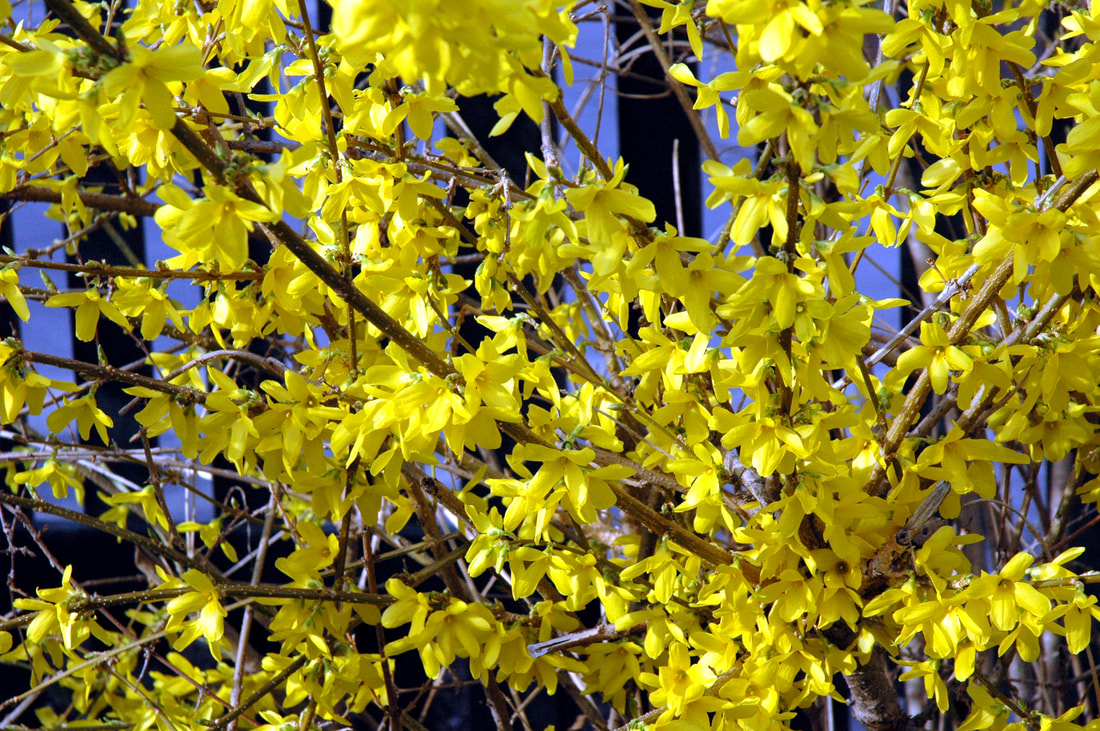
As I walk further, I see a row of bright yellow trees… Forsythia. Those cheery yellow flowers will eventually fall and turn into seed pods in the fall. To me, it is a living medicine for sore throat and pimples. It is not only a strong antiseptic that Forsythia uses to protect its seeds for propagation, but also can be made into useful and beneficial skin care products. There are many dandelions along the trail. I have to give my respect for their strength and the will to live without much care and even after rooting in a small amount of soil. They have soothing and anti-inflammatory components that make them survive. I can definitely incorporate those natural components in lotions and cream.
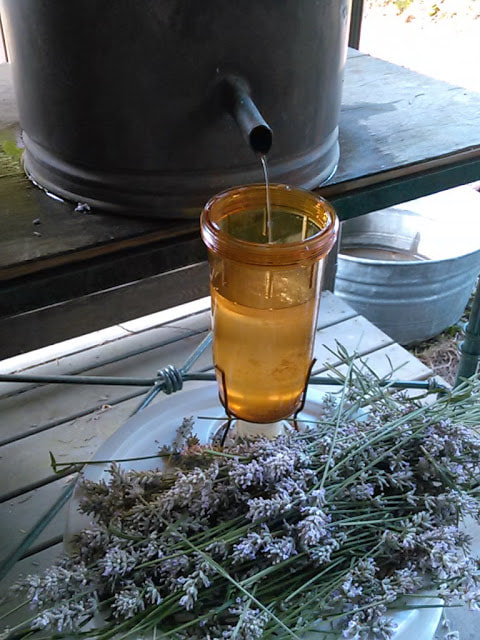
I walk into a gift shop and notice a table full of harvested lavender from the garden. The scent is a calming joy that I can extract to use for stress and headaches. I see it also as natural anti-itch medicinal plant for insect bites.
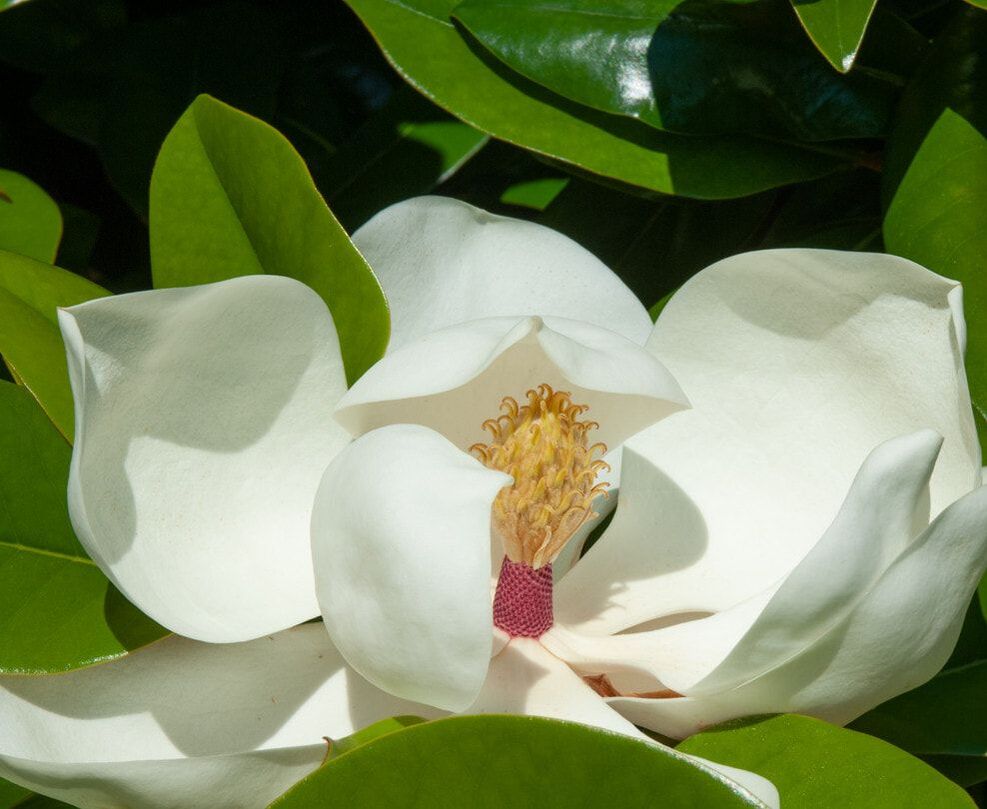
As I walk through the exit, I notice several Magnolia trees with big, beautiful blossoms. The petals have warming properties. I can just imagine soaking in a Magnolia bath on a cold rainy spring day.
Making skin care products is a useful tool to transform nature into products that we can use daily. Product design naturally develops from the harmonious blend of this tool, knowledge and inspiration.
What do I Need to Feed my Dry Skin and to Keep Warm by Vennie CHOU, Natural Skin Care Expert
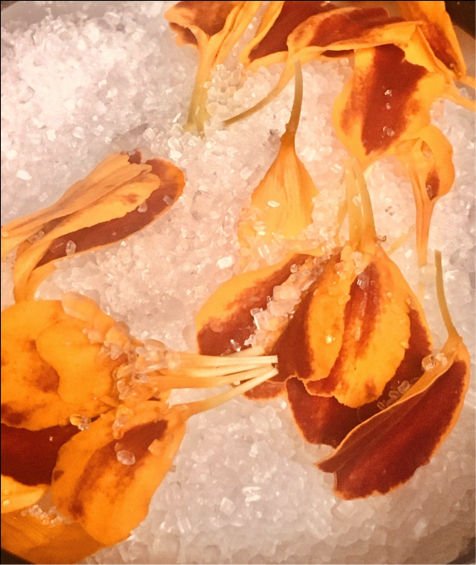
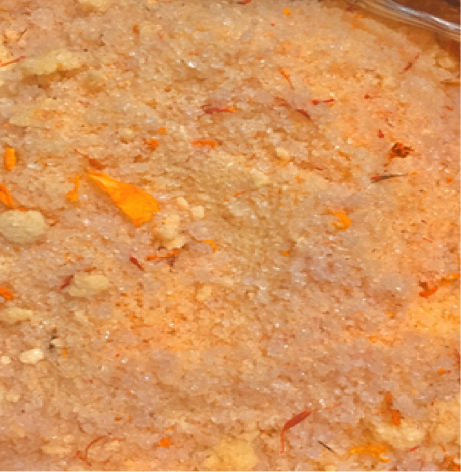
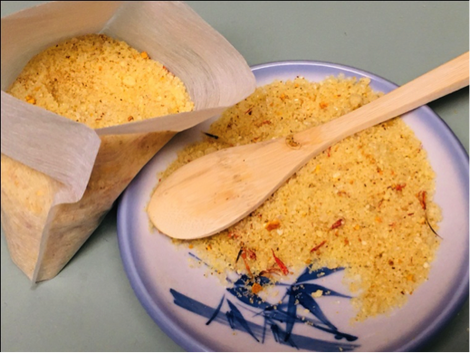
As we enter months of fall season, we can feel the cooler dryer weather. Nature is busy trying to shake off the leaves off trees, so the dead leaves can decompose and provide nutrients for the soil that plants and trees feed on. I also look for what I can use from nature in this season to feed my dry skin and to keep warm. I decided to make bath salts that I can use in body and foot baths. I pulled off petals from two Marigold and blended the fresh flower petals with Epsom salts. Marigold is very soothing for the skin and colored the salts a beautiful soft yellow. The petals completely disappeared into the salts.
I sprinkled a little Safflower petals as Safflowers helps with circulation. To prevent itchy dry skin, I added my red infused Gromwell oil and grated a little coco butter into the bath salts. For scents, I sprinkled some dried orange peel grains that I saved for my tea. I also added little bit of black pepper and ginger essential oils. Ginger, black pepper and a hint of orange warm the body and increase blood circulation. This is definitely Fall inspired bath salts using colors of fall and scents to warm the soul and body.