Spain, a Forgotten Legacy – Part 2
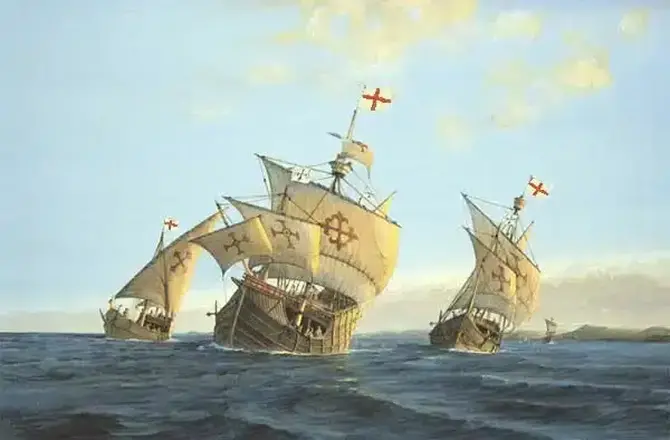
Part 2 – The Age of Exploration
Spain was one of the main supply channels for perfumery products in the 15th, 16th and 17th Centuries.
In the precedent episode, we saw how the Arabs brought with them advanced knowledge of alchemy and distillation, which was crucial for the development of perfumes. The way they introduced new ingredients and techniques, influencing the European approach to perfumery. They brought with them the art of perfume and the science of perfumery, the culture of flowers and raw material for perfumery. This period saw advancements in the methods of extracting and blending fragrances.
While Spain’s climate and geography were ideal for cultivating aromatic plants and flowers, such as orange blossoms, jasmine, and rosemary, the country also played a pivotal role in global trade.
In this episode, we will discover what made Spain even more powerful playing a major role on the Perfume Roads.
Recall that Venice played an important role in the trade of raw material but at the age of maritime exploration, they never thought Portugal would invest seeking new trade routes and expanding its influence.
Before the Portuguese opened new sea routes, Venice relied on overland trade routes, such as the Perfume Road and other connections through the Middle East. The Portuguese sea route offered a more efficient and less costly alternative, diminishing the importance of these overland paths.
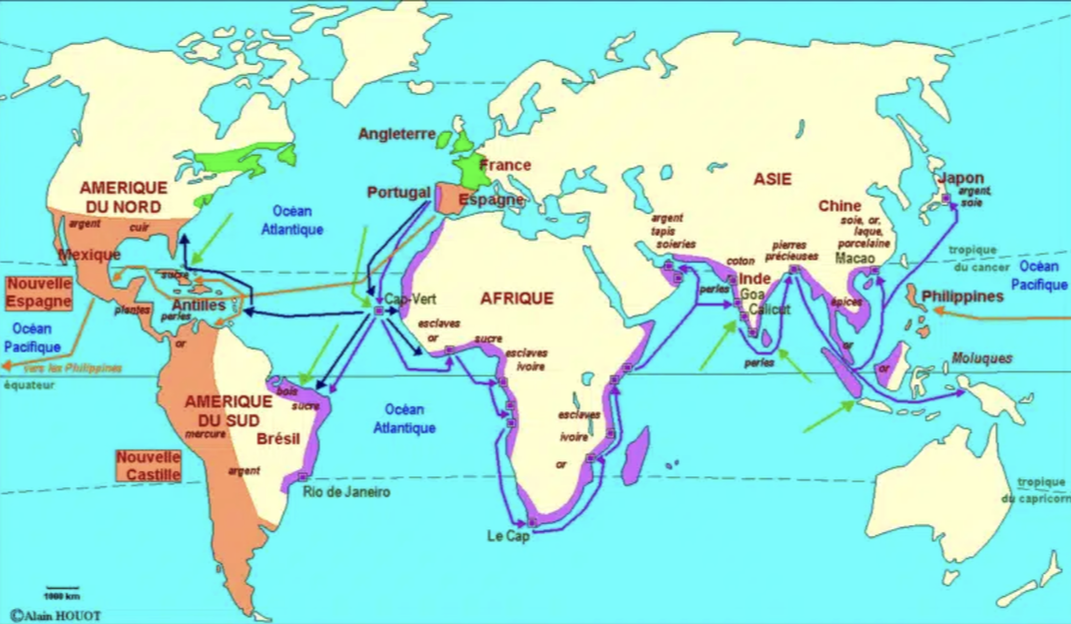
The landmark journey of Vasco da Gama in 1497-1498 around the Cape of Good Hope to India was pivotal. This sea route allowed the Portuguese to access the rich spice markets of Asia directly, bypassing overland trade routes dominated by Venetian and Middle Eastern merchants.
The direct sea route to Asia meant that spices and other goods could be brought to Europe more cheaply and in larger quantities. The Portuguese could therefore offer better prices, eroding Venice’s monopoly and competitive edge.
Portugal established a series of fortified trading posts along the coasts of Africa and Asia. Places like Goa, Malacca, and Hormuz became key centers for controlling the spice trade.
They also developed superior navigational techniques and shipbuilding technologies, such as the use of the caravel, which allowed them to undertake longer sea voyages safely.
Lisbon replaced Venice and became the continent’s larger market for spices and perfumes thanks to its tremendous naval power and to the Portuguese who were excellent navigators.
But the Portuguese colonial empire was short-lived. The incompetence of Portuguese monarchs led Spain to militarily occupy Portugal in 1580 and Spain took control of Portugal overseas colonies and their trade.
During this period (the Iberian Union from 1580 till 1640), Philip II of Spain became the King of Portugal, allowing the Spanish Crown to control and benefit from raw material in provenance of a vast colonial empire, which included territories in Africa, Asia and the Americas including the spice and perfume trade roads.
The 15th, 16th, 17th and the first part of the 18th Centuries were marked by intense traffic on the Eastern Seas where Portuguese, Spanish, Dutch, English and French were competing for raw materials.
Spain used dynastic marriages and diplomacy to strenghthen its trade networks and stabilize its trade interests across Europe, insuring a steady flow of goods.
Spanish explorers brought back exotic spices and botanicals from the New World and the East Indies, which enriched the European perfume palette. This exchange led to the introduction of new scents and materials that were incorporated into European perfumes.
Check our next Episode: Spain a Forgotten Legacy Part 2
In the meantime if you are passionate by perfume, follow Creezy Courtoy’s World Perfume History Course